Ice House in Winter Bluework: A Designer’s Review
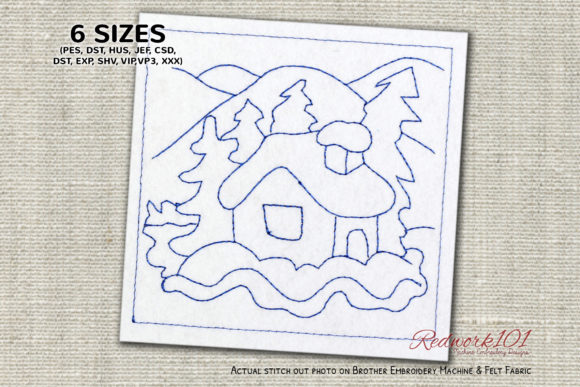
As an embroidery designer who has spent years digitizing patterns and reviewing thousands of machine embroidery design files, I have developed a keen eye for what translates well from screen to fabric. When I first loaded the Ice House in Winter Bluework into my software, I was immediately struck by its nostalgic charm. It is not just a generic winter scene; it possesses a specific visual personality that speaks to quiet, snowy evenings and rustic architecture. For those of us running a craft business or selling on platforms like Etsy, finding designs that evoke emotion is half the battle. This review breaks down how this specific embroidery file performs in real-world applications, helping you decide if it belongs in your next embroidery project.
First Impressions and Visual Mood
The primary appeal of Ice House in Winter Bluework lies in its monochromatic or limited palette approach, typical of bluework styles. This aesthetic creates a serene, classic mood that fits perfectly within the Winter category without feeling overly festive or dated. The layout is balanced, with the structure of the ice house serving as the focal point. As a reviewer, I appreciate when a design has clear hierarchy. The lines are crisp, suggesting a mix of running stitch for outlines and potentially fill stitch for shading or snow accumulation, though the exact density will depend on the specific digitizer’s choices.
One notable feature mentioned in the product details is the optional Box Stitch. This is a crucial detail for practical application. In many designs, an outer box is included for framing, but here, the instruction notes that the color of the outer box is different in most designs unless it is part of the design itself, and you can skip the color directly. This flexibility is a significant advantage. It allows us, as creators, to adapt the design assets to various fabric texture types and background colors without being constrained by a rigid border. It suggests a thoughtful digitization process that considers the end-user’s need for versatility.
Real-World Application: From Tote Bags to Sweatshirts
Let’s move beyond theory and discuss where this design actually shines. I recently considered using Ice House in Winter Bluework for a line of canvas tote bag design prototypes. The rustic nature of an ice house pairs beautifully with natural fibers like cotton canvas or linen. Because bluework often relies on contrast rather than dense color blocking, it stitches out cleanly on textured fabrics where a heavy satin stitch might pucker or sink.
For custom apparel, such as a navy or heather grey sweatshirt embroidery project, this design offers a sophisticated alternative to loud, multi-colored holiday graphics. It appeals to customers looking for subtle, high-quality handmade product aesthetics. Imagine this stitched on the left chest of a premium hoodie or centered on the back of a flannel shirt. The result is a piece of clothing that feels curated and boutique-ready, rather than mass-produced.
Additionally, this design works exceptionally well for personalized gift items. Think of kitchen towels or aprons for a client who loves traditional architecture. The Embroidery here acts as a decorative accent that elevates a simple household item into a heirloom-quality piece. For Etsy seller accounts, offering this as part of a "Winter Cabin" collection could drive significant engagement, especially if paired with complementary fonts or monograms.
Technical Considerations and Fabric Compatibility
While the design is visually appealing, practical execution requires attention to detail. One must consider the stitch density. Bluework designs can sometimes be dense if they rely heavily on fill stitches to create shading effects. If you are stitching on thin fabric, such as a lightweight cotton tee or a silk blend, you must use an appropriate stabilizer. A cut-away stabilizer is often safer for garments that will be washed frequently, ensuring the design retains its shape without distorting the fabric.
Curved surfaces present another challenge. If you plan to use this on a cap or hat, ensure the hoop size accommodates the design’s width without stretching the fabric too tightly. The structural lines of the ice house need to remain straight; any distortion due to improper hooping will break the visual illusion. I recommend testing the design on scrap fabric first, specifically matching the weight and weave of your final material. This step is non-negotiable for professional results.
Regarding the optional box stitch, if you choose to include it, verify the thread colors carefully. Since the description notes the outer box color varies, you may need to manually adjust the color sequence in your embroidery software to match your fabric. For dark fabrics, ensure you have high-contrast thread options available. For light fabrics, a tonal blue-on-blue approach can look incredibly elegant, provided the lighting in your product photos captures the texture of the stitches.
Commercial Viability and Brand Consistency
For those operating a small shop product line, consistency is key. Ice House in Winter Bluework offers a level of professionalism that builds customer trust. It does not look like a clip-art conversion; it looks like a purpose-built digital embroidery file. This distinction matters to buyers who are increasingly educated about the quality of commercial embroidery.
When creating printable mockup images for your online store, this design photographs well. The linear nature of bluework catches light effectively, highlighting the dimensionality of the threads. This can enhance the perceived value of your finished product. Whether you are selling embroidered patch items or direct-to-garment pieces, the clarity of the design ensures that even small details remain visible, avoiding the "muddy" look that plagues poorly digitized files.
However, always confirm licensing before selling. While many designs allow for commercial use of the finished product, restrictions may apply to sharing the actual applique design or digital embroidery file itself. Ensure you understand the terms to protect your business. If the design is intended for baby embroidery items, double-check that all elements are secure and that there are no loose jump stitches that could pose a hazard, although this is more relevant for appliqué than standard stitching.
Final Verdict for Designers and Makers
In conclusion, Ice House in Winter Bluework is a strong contender for your winter catalog. It balances artistic merit with practical usability. Its strength lies in its adaptability—working equally well on a rugged tote bag or a soft baby blanket. The option to skip or modify the outer box stitch adds a layer of customization that experienced designers will appreciate.
Before committing to a large production run, I advise you to:
- Test the design on both light and dark fabric texture backgrounds.
- Check the stitch density against your machine’s capabilities.
- Verify the hoop size requirements to ensure it fits your intended product.
- Review the color sequence to optimize for your specific thread colors inventory.
- Confirm the license terms for commercial embroidery use.
By taking these steps, you ensure that your craft business delivers high-quality, professional results. This design is not just a pattern; it is a tool for creating memorable, tactile experiences for your customers. Whether for holiday embroidery gifts or year-round rustic decor, Ice House in Winter Bluework holds up under scrutiny and promises a satisfying stitching experience.