Abstract Pattern Redwork: A Designer's Review for Real Projects
As an embroidery designer who spends hours digitizing and stitching for clients, I am always cautious when browsing new design assets. We all know the frustration of downloading a digital embroidery file that looks stunning on a screen but turns into a bird's nest on the hoop. Recently, I took a close look at the Abstract Pattern Redwork collection available on Creative Fabrica to see if it holds up for real-world commercial use. This isn't just a visual critique; it is an evaluation of how these designs perform when you are on a deadline to finish a custom order.
First Impressions and Visual Mood
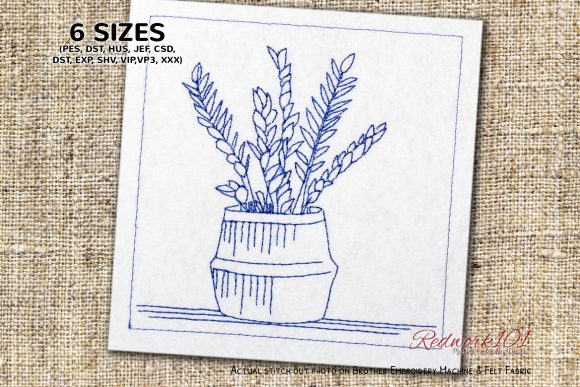
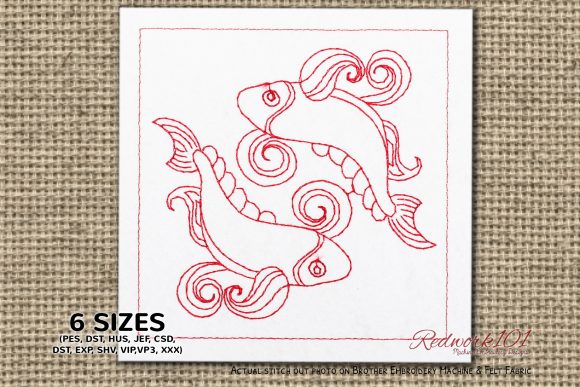
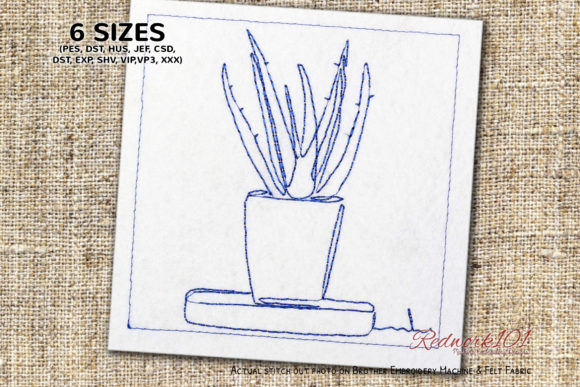
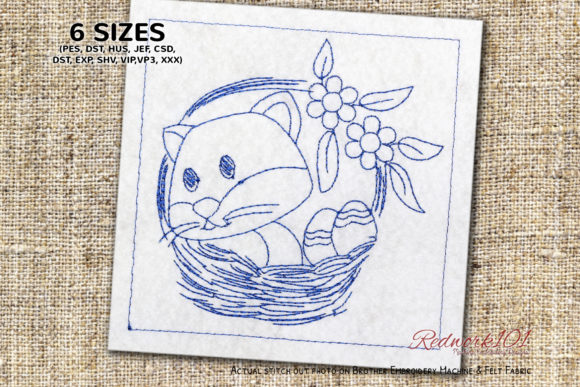
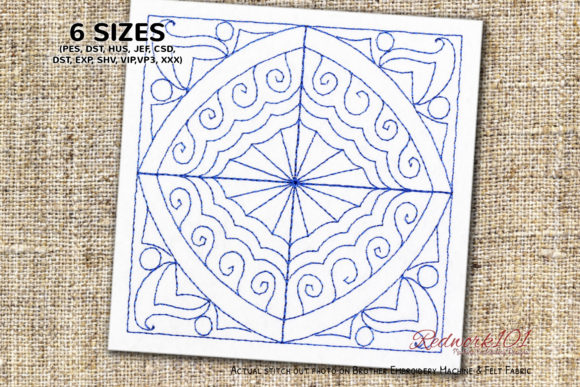
The moment you open the preview images for Abstract Pattern Redwork, the aesthetic is immediately clear. These designs lean heavily into the Zentangle style, offering intricate, flowing lines that mimic hand-drawn doodles. The "Redwork" designation suggests a classic, single-color execution, which is a timeless choice for vintage-inspired projects. However, in modern machine embroidery design, this doesn't mean you are locked into red thread. The beauty of these files lies in their versatility.
The visual mood is whimsical yet structured. The patterns feature a mix of organic curves and geometric repetition, creating a texture that feels both handmade and precise. For a designer, the appeal here is the balance between detail and openness. Unlike heavy fill stitch designs that can stiffen fabric, these patterns likely rely on running stitch and light satin stitch elements, making them ideal for items where drape and softness are crucial. The optional Stitch Box mentioned in the product description adds a framed element that can be incredibly useful for centering designs on pockets or patches, though the note clarifies that the box color may vary unless it is integral to the specific design.
Performance in Real Embroidery Projects
When considering Abstract Pattern Redwork for a client order, the first question is always: "Where will this live?" Based on the line work and style, these designs shine on specific substrates. Here is how I envision them performing across various products:
- Tote Bag Design: The open nature of the pattern works beautifully on canvas tote bags. The lack of dense underlay means the bag remains flexible, and the intricate lines stand out well against natural cotton colors.
- Sweatshirt Embroidery: For fleece or French terry, these designs are a strong contender. Heavy fills can sink into plush fabrics, but the linear quality of Redwork sits on top of the pile, maintaining definition without sinking in.
- Kitchen Towels and Aprons: This is perhaps the strongest use case. The classic Redwork heritage pairs perfectly with linen or waffle-weave towels. It elevates a simple kitchen textile into a boutique handmade product.
- Nursery Decor and Baby Items: Because the designs are generally lighter in density, they are excellent for baby blankets or bibs where comfort against sensitive skin is a priority. You avoid the scratchy feel of thick stitching.
- Embroidered Patch: If the file includes a border or if you add one, these abstract patterns make fantastic iron-on or sew-on patches. The Zentangle style is very trendy in the patch community right now.
For Etsy sellers and craft fair vendors, the versatility of these files allows for a cohesive brand look. You can use the same pattern on a pillow cover, a cap, and a wall hanging, changing only the thread colors to match seasonal trends. This consistency helps build buyer trust and brand recognition.
Practical Considerations for the Stitcher
While the aesthetic is promising, a professional review must address the technical realities of stitching. Before committing to a production run, there are several factors to test with Abstract Pattern Redwork.
Fabric Selection and Stabilizer: Since these designs appear to be line-heavy, they require a stable foundation. On stretchy fabrics like jersey knits or performance wear, using a high-quality cut-away stabilizer is non-negotiable. Without it, the long runs of stitching may pucker over time or after washing. For woven fabrics like linen or denim, a tear-away might suffice, but always test first.
Hoop Size and Placement: The product description notes an optional Stitch Box. This implies there may be variations in sizing. It is critical to check the specific hoop size requirements for each file in the pack before hooping your garment. If you are working on curved surfaces, such as a cap, ensure the design fits within the limited field of a cap frame. Intricate Zentangle details can get lost or distorted if the design is too large for the curvature of the hat.
Thread Contrast: The magic of Redwork is contrast. On dark fabrics, you will need high-vis threads like metallics or bright neons to make the running stitch pop. On light fabrics, deep navys, charcoals, or traditional reds work best. Always stitch a sample on scrap fabric of the same weight and color as your final product to verify the stitch density and visibility.
Washability: For items like aprons and kitchen towels that face frequent washing, inspect the start and stop points of the design. Secure any loose tails thoroughly. While the design itself is likely durable, the longevity of the finished product depends on your finishing techniques.
Enhancing Product Value and Brand Appeal
In the world of commercial embroidery, perceived value is everything. Using a sophisticated pattern like Abstract Pattern Redwork can significantly elevate the price point of a basic item. A plain white tote bag becomes a piece of art; a standard sweatshirt transforms into a personalized gift with artisanal flair.
The intricate nature of the Zentangle style suggests effort and skill, even though the machine does the work. This perception boosts customer engagement. When potential buyers see high-resolution photos of these detailed stitches, they associate the product with quality. For those selling printable mockups alongside physical goods, these designs render exceptionally well because the lines are distinct and photograph clearly.
Furthermore, the abstract nature of the patterns means they are less likely to go out of style compared to trend-specific graphics. This makes them a safe investment for building a long-term inventory of custom apparel and home decor.
Final Verdict and Usage Tips
Is Abstract Pattern Redwork worth adding to your library? For designers looking to expand their portfolio with versatile, lightweight, and visually engaging patterns, the answer is a confident yes. However, success lies in the preparation.
Before launching your new product line, adhere to these steps:
- Review Licensing: Always confirm the license terms on the Creative Fabrica product page. Ensure that the license covers the type of commercial embroidery or digital sales you intend to pursue.
- Check File Details: The description mentions that the outer box color varies. Download the specific formats you need (PES, DST, EXP, etc.) and verify the stitch count and dimensions in your editing software.
- Test on Scraps: Never skip the test stitch. Check for registration issues, especially if the design combines different stitch types.
- Mockup Comparison: Create digital mockups on both light and dark backgrounds to see how the design translates visually before purchasing materials.
In conclusion, Abstract Pattern Redwork offers a blend of artistic charm and practical utility. Whether you are decorating a tote bag, creating a baby blanket, or designing a series of patches, these files provide a solid foundation for high-quality embroidery work. With the right stabilizer, thread choices, and attention to detail, this collection can become a staple in your creative toolkit, helping you deliver handmade products that customers love and trust.