Pisces Plants Redwork: A Designer's Review for Real Projects
When I first pulled up the Pisces Plants Redwork file on my screen, I wasn't looking for flashiness. As someone who spends hours hooping fabric and trimming jump stitches, I look for clarity, flow, and that specific quiet confidence that only a well-digitized redwork design can offer. This piece, categorized under Single Flowers but carrying a distinct botanical personality, immediately struck me as a versatile asset for both personal crafting and small batch commercial runs. It doesn't scream for attention; instead, it invites a closer look, which is often exactly what you want when creating high-end handmade products or boutique apparel.
The First Impression: Mood and Visual Personality
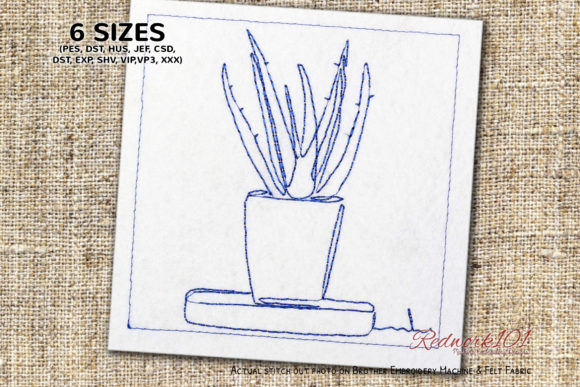
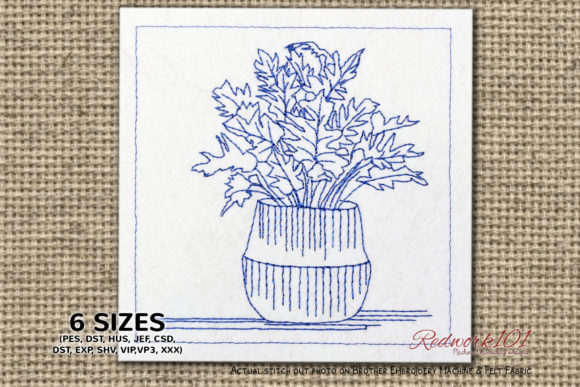
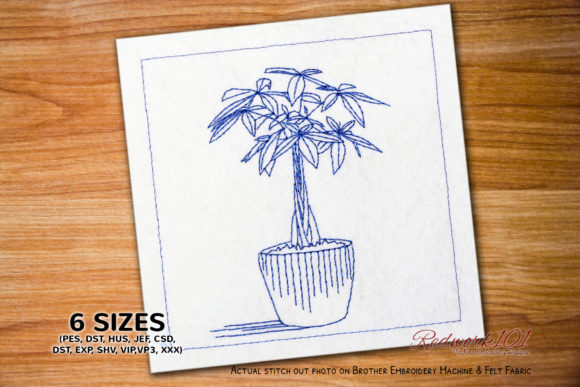
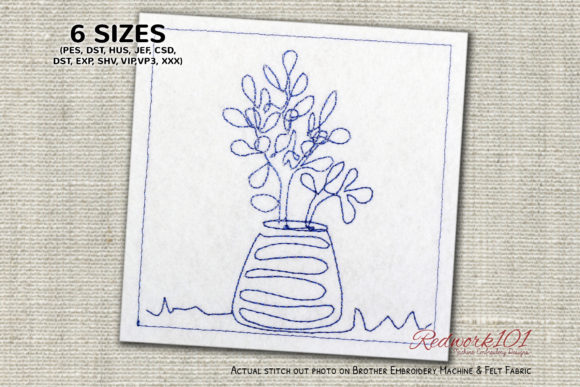
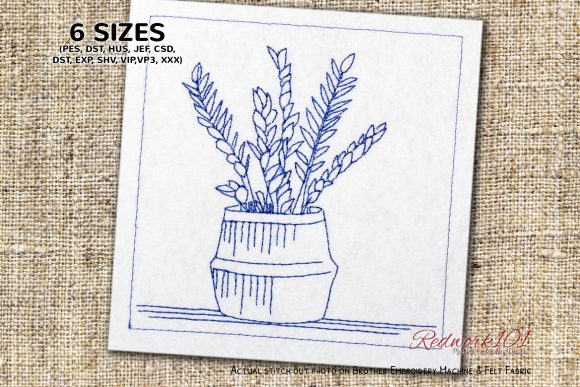
The immediate appeal of this embroidery design lies in its simplicity. Redwork is all about line quality, and here, the lines feel intentional. There is a fluidity to the plant stems and leaves that suggests movement without being overly complex. For a designer, this is crucial. Overly dense designs can puckers lightweight fabrics, while too-sparse designs can get lost on textured materials. Pisces Plants Redwork seems to hit a sweet spot. It creates a mood of organic calm, making it an excellent candidate for nursery decor, kitchen linens, or understated custom apparel where the focus should remain on the quality of the garment rather than a giant, overpowering graphic.
The "Single Flowers" category label might suggest a standalone bloom, but the composition feels more like a curated botanical sketch. This visual personality allows it to transcend seasonal trends. Unlike a specific holiday embroidery motif that might feel dated by January, a botanical redwork design remains timeless, adding long-term value to your design assets and finished product inventory.
Real-World Application: From Sketch to Stitched Product
To truly evaluate an embroidery file, you have to imagine it on actual goods. Let's say I am preparing a run of canvas tote bags for a local farmer's market. These bags need to look artisanal but durable. Pisces Plants Redwork would be my top choice here. Using a classic red thread against natural unbleached canvas creates a striking contrast that feels rustic yet refined. The running stitch nature of redwork means less thread consumption and faster production times compared to heavy fill stitch designs, which is a significant factor for any Etsy seller or craft business owner watching their bottom line.
Consider another scenario: a personalized baby gift set. Parents often prefer subtle, soft designs over loud, saturated graphics. If I were stitching this onto a muslin swaddle or a cotton onesie, the delicate lines of this machine embroidery design would add a touch of elegance without overwhelming the small surface area. It works beautifully as a baby embroidery element, perhaps placed near the hem of a blanket or as a chest pocket detail on a cardigan.
For those running a small shop product line focused on home goods, this design shines on tea towels and pillow covers. The open nature of redwork allows the texture of the linen or cotton to show through, enhancing the tactile experience of the handmade product. It transforms a basic kitchen towel into a piece of art that customers are willing to pay a premium for because it looks thoughtfully designed, not mass-produced.
Technical Considerations and Fabric Compatibility
While the aesthetic is strong, a professional reviewer must address the technical realities of stitching. Redwork relies heavily on the integrity of the running stitch. When working with Pisces Plants Redwork, fabric choice is paramount. On stable, woven fabrics like quilting cotton, linen, or canvas, this design will perform flawlessly. However, caution is advised when moving to stretchy knits or textured fleece.
If you plan to use this for sweatshirt embroidery or on a stretchy t-shirt, your stabilizer game needs to be on point. Because redwork lacks the backing density of a fill stitch, the fabric can easily distort around the lines if not properly supported. I always recommend testing on scrap fabric first. Cut a piece of your intended material, hoop it with a cut-away stabilizer for knits or tear-away for wovens, and run a test stitch-out. Check how the corners handle; sharp turns in redwork can sometimes pull if the digitizing isn't optimized for that specific thread tension.
Dark fabrics present another consideration. Since this is a single-color line design, it relies entirely on contrast. On a navy or black garment, a standard red thread might disappear or look muddy depending on the lighting. In these cases, consider switching to a lighter thread color like cream, gold, or even a bright white to maintain the visibility of the design details. Always review your thread colors against your fabric swatches before committing to a full production run.
Navigating Hoop Sizes and Placement
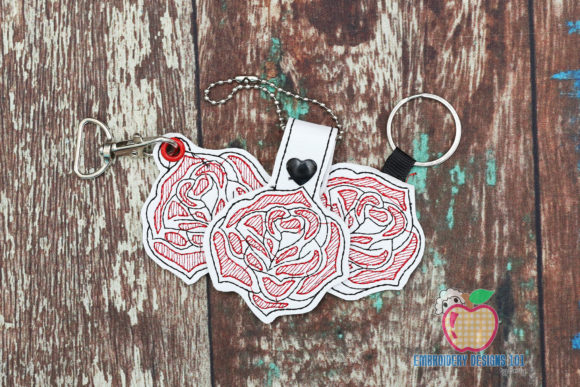
The description notes that "The Stitch Box shown in the picture is optional," which is a helpful reminder for designers. It implies flexibility in presentation. However, you must confirm the actual hoop size requirements of the digital file itself before purchasing or downloading. If you are aiming for custom apparel like caps or visors, ensure the design fits within a smaller hoop capability if your machine is limited. Curved surfaces like caps can distort linear designs, so extra care with hooping technique is necessary to keep those plant stems looking straight and true.
For embroidered patch creation, this design is a strong contender. The clean lines translate well to merrowed edges or laser-cut finishes. Just be mindful of the density; if the lines are too far apart, the patch might lack structural rigidity unless backed with a sturdy twill or felt base.
Commercial Viability and Brand Consistency
For commercial embroidery projects, consistency is key. Pisces Plants Redwork offers a level of professionalism that builds customer trust. When a client receives a product with crisp, clean stitching that doesn't look like a generic clip-art conversion, they perceive higher value. This design supports brand consistency for boutiques that rely on a natural, earthy, or minimalist aesthetic.
Furthermore, the simplicity of the design makes it ideal for creating printable mockups. Whether you are listing items on Etsy or pitching to a boutique buyer, having a clear digital representation of how the embroidery sits on a product helps drive sales. The lack of complex shading means the design photographs well, reducing the need for heavy editing in your product previews.
Final Verdict and Designer Notes
In summary, Pisces Plants Redwork is a practical, high-utility design for the modern maker. It bridges the gap between hobbyist charm and professional finish. It is particularly well-suited for:
- Kitchen Linens: Tea towels and aprons where durability and washability are key.
- Nursery Decor: Soft, calming accents for baby rooms.
- Boutique Apparel: Subtle branding on pockets, cuffs, or hems.
- Tote Bags: Creating artisanal vibes for market goods.
Before finalizing any project, remember to check the specific license terms. While many designs allow for finished physical goods, rules regarding reselling the digital embroidery file itself vary. Always verify if the design is cleared for unlimited commercial use or if there are restrictions on the number of finished items you can produce.
Ultimately, this design earns a spot in my library for its adaptability. It respects the medium of embroidery by letting the thread and fabric do the talking. Whether you are a seasoned apparel decorator or a weekend warrior looking to elevate your personalized gift game, Pisces Plants Redwork delivers a result that feels thoughtful, executed with precision, and ready for the real world.