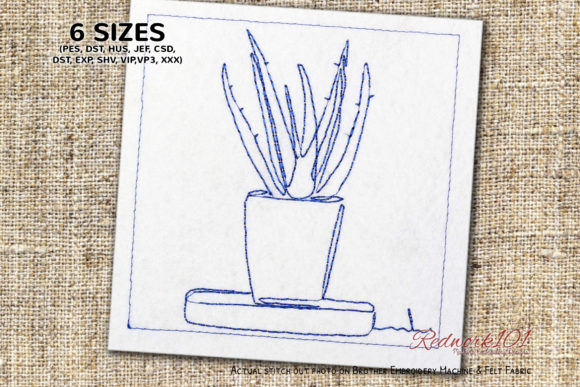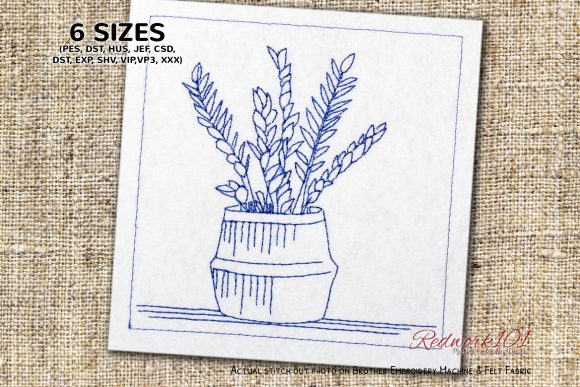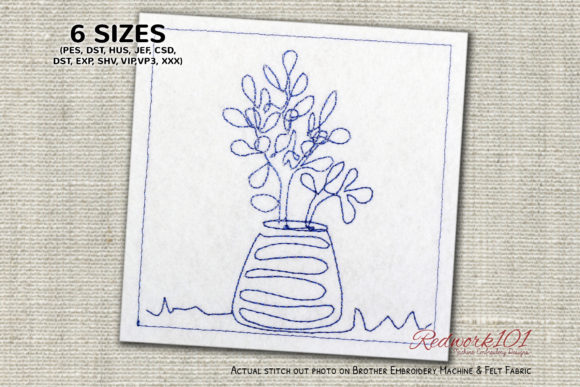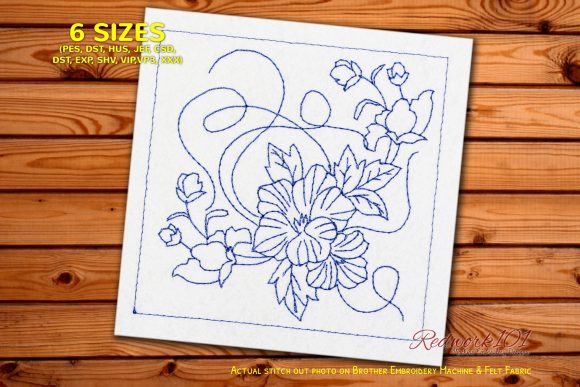
Cancer Plant Redwork Design: A Designer’s Review
As an embroidery designer who has spent countless hours behind the hoop and even more time standing behind a booth table at weekend craft fairs, I look at every new machine embroidery design through a specific lens. It is not just about whether the stitches look pretty on the screen; it is about whether that design will stop a shopper in their tracks, hold up under the harsh lighting of a convention center, and ultimately convert into a sale. Today, I am taking a close look at the Cancer Plant Redwork Design, evaluating its potential for craft fair sellers, Etsy shop owners, and handmade product creators.
First Impressions: The Power of Redwork Simplicity
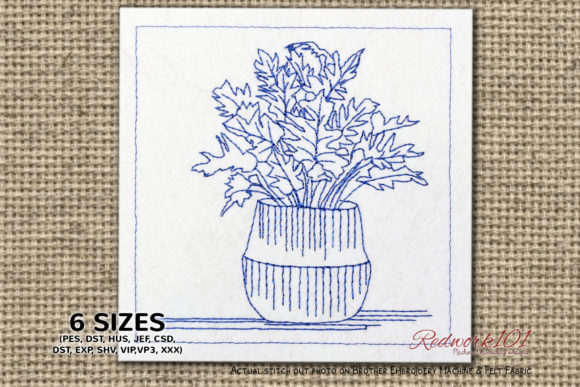
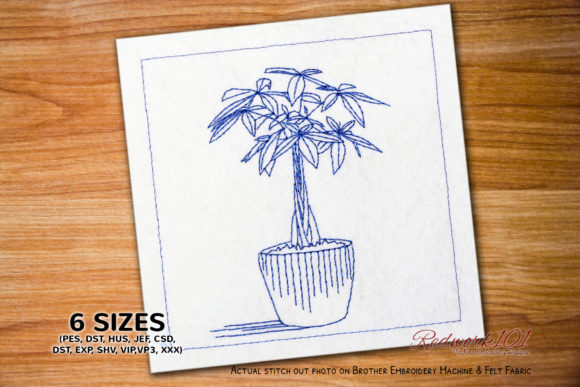
The first thing that strikes me about this piece is its adherence to the classic redwork aesthetic. In a market saturated with complex, multi-colored, and dense satin stitch designs, there is a refreshing clarity to redwork. This Single Flowers category item relies on line work rather than fill, which immediately signals a vintage, farmhouse, or rustic charm. For a craft fair environment, this is a strategic advantage. Shoppers scanning a busy table can process simple line art much faster than intricate, shaded imagery.
The title suggests a botanical subject, likely a stylized representation of a plant associated with the zodiac sign or perhaps a specific herbal motif. Regardless of the specific botanical accuracy, the "Redwork" label tells us we are dealing with high-contrast, single-color stitching. This creates a bold visual statement that feels both traditional and modern, depending on how you style it. It does not scream "cute" in a juvenile way, nor does it try too hard to be "premium" luxury. Instead, it sits comfortably in the "authentic handmade" zone, which is exactly where many successful small shop products thrive.
Product Versatility: From Aprons to Tote Bags
When I plan my inventory for a upcoming market, I think about surface area and fabric texture. The Cancer Plant Redwork Design is exceptionally versatile because of its linear nature. Here is how I see it performing across different handmade product categories:
- Tote Bag Design: This is arguably the strongest candidate. A large canvas tote with this design centered or placed in the lower corner offers a chic, minimalist look. The red thread against natural cotton canvas is a timeless combination that appeals to a wide demographic.
- Apron Embroidery: Kitchen textiles are staples at craft fairs. Placing this design on the bib of a linen or cotton apron adds a touch of personality without overwhelming the garment. It suggests a love for gardening or cooking, making it an excellent gift item.
- Tea Towel Embroidery: Because redwork is typically lightweight, it lays flat on thin fabrics. Unlike dense designs that can pucker a tea towel, this linear approach maintains the drape and functionality of the fabric, which is a key selling point for practical buyers.
- Embroidered Patch: If you stabilize correctly, this design can be hooped on felt or twill to create iron-on or sew-on patches. Patches are low-cost, high-margin items that allow customers to buy into your brand without committing to a larger purchase.
For Etsy seller accounts, this design also translates well to digital listings. You can offer it as a digital embroidery file for other makers, provided you have the correct commercial licensing. The simplicity of the design makes it easy to create clean, attractive printable mockup images that look professional in online thumbnails.
Production Practicality and Batch Efficiency
From a production standpoint, time is money. One of the greatest strengths of this embroidery file is likely its speed. Redwork designs generally have lower stitch density compared to filled motifs. This means less thread consumption, fewer bobbin changes, and reduced wear on your machine needles. For a small business owner preparing for a busy holiday market, the ability to churn out twenty tote bags in the time it takes to stitch five complex jackets is a massive operational benefit.
However, we must address the technical notes provided with the design. The description mentions that "The Box Stitch shown in the picture is optional." This is a crucial detail for your workflow. If the box is decorative, consider skipping it to save time and reduce bulk, especially on thinner fabrics like tea towels. The note also states, "The color of the outer box is a different color in most of the designs unless it is part of the design itself, you can skip the color direc." This implies that the digitizer has allowed for flexibility. As a producer, you should test whether the box adds value. In many cases, removing the box allows the floral element to breathe and feel more organic, fitting the "Single Flowers" aesthetic better than a constrained, boxed-in look.
Visual Appeal and Customer Engagement
How does this design affect buyer engagement? In a booth display, consistency is key. If you use the Cancer Plant Redwork Design across a range of products—pillow covers, caps, and pouches—you create a cohesive brand story. The singular color palette allows you to experiment with different thread colors without clashing. While traditional redwork uses red, imagine this design in deep forest green for a woodland vibe, or navy blue for a nautical theme. This adaptability increases its shelf life in your product lineup.
Photography is another area where this design shines. High-contrast line work photographs beautifully. It does not get lost in shadows or glare, making it ideal for social media marketing and online listings. When customers can clearly see the quality of the stitch definition in a photo, they are more likely to perceive the finished product as high-quality and worth the price point.
Careful-Use Notes and Technical Considerations
While this design is forgiving, it is not without its pitfalls. Here are my professional recommendations for ensuring success:
- Fabric Texture: Avoid highly textured towels or loose-weave linens unless you use a strong cut-away stabilizer. Linear designs can sink into plush fabrics, losing their definition.
- Dark Fabric: If you plan to stitch this on black or navy fabric, ensure you are using a high-viscosity thread that stands out. Red on black can sometimes vibrate visually; test your thread colors in natural light.
- Curved Surfaces: For caps, the curvature can distort linear designs. Hoop securely and consider reducing the size slightly to prevent puckering along the seams.
- Size Clarity: Ensure the design is large enough to be seen. Tiny details in redwork can disappear if scaled down too far. Check the recommended hoop size and do not shrink the design beyond the digitizer's intent.
Final Verdict for the Craft Fair Seller
The Cancer Plant Redwork Design is a solid addition to any craft fair product lineup. It balances aesthetic appeal with production efficiency. It is not overly complex, which makes it accessible for newer embroiderers, yet it possesses enough character to stand out in a crowded marketplace. By focusing on high-quality fabrics and consistent stitching, you can elevate this simple design into a premium small shop product.
Before you commit to a large batch, always test the design on scrap fabric. Check the tension, review the spacing, and confirm that the optional box stitch aligns with your artistic vision. Verify your commercial licensing terms to ensure you are cleared for commercial embroidery sales. With these steps, this design can become a reliable staple in your embroidery business, driving sales through its timeless, understated elegance.