Spring Time Embroidery: A Designer's Honest Review
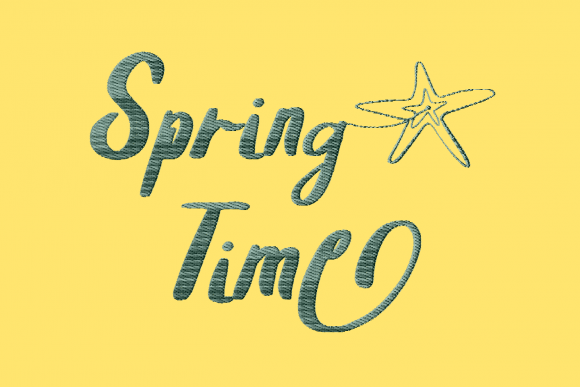
As an embroidery designer who spends countless hours digitizing and stitching for clients, I am always cautious about downloading new machine embroidery design files. The market is flooded with options, but finding a design that balances aesthetic appeal with technical reliability is rare. Recently, I evaluated the Spring Time embroidery file from Creative Fabrica to determine if it holds up for real-world commercial projects. This isn't just a look at the preview images; this is an assessment of how this casual and elegant lettering design performs when put to the test on actual garments and home decor.
First Impressions and Visual Mood
Upon opening the product page, the first thing that strikes you about Spring Time is its versatility. The description highlights it as a "casual and elegant embroidery lettering design," which is a tricky balance to achieve. Often, designs lean too far into whimsy, making them unsuitable for boutique apparel, or they are too rigid for handmade gifts. Spring Time seems to hit a sweet spot. The visual mood suggests freshness and renewal, perfectly aligning with the Spring category without being overly cliché. For designers looking to update their seasonal catalog, this design offers a decorative appeal that feels modern yet timeless.
The detail level appears sufficient for standard home machines while maintaining enough complexity to look professional on commercial setups. The stitching personality suggests a mix of smooth flows and structured lettering, which usually indicates a combination of satin stitch for outlines and text, potentially supported by fill stitch areas for depth. However, without seeing the actual stitch map before purchase, one must rely on the provided mockups and descriptions to gauge the stitch density.
Real-World Application Scenarios
When considering a new digital embroidery file, I immediately brainstorm where it will generate value. Spring Time is not just a pretty picture; it is a potential revenue stream. Here is how I envision this design performing across various products:
- Custom Apparel: The elegant lettering makes it ideal for sweatshirt embroidery. Placed centrally on a high-quality hoodie, it elevates a basic garment into a boutique item.
- Tote Bags and Aprons: For kitchen towels or canvas tote bags, this design offers a charming tote bag design element that appeals to craft fair shoppers looking for seasonal updates.
- Nursery and Home Decor: The soft, inviting nature of the design fits perfectly on pillow covers or baby blankets, serving as a thoughtful personalized gift for new parents.
- Accessories: While caps can be tricky with lettering, if the curvature is managed well, this could work as a subtle branding element on structured hats.
- Etsy Listings: For digital product sellers, using this in printable mockup scenarios can help visualize finished goods before committing to physical stock.
The potential for commercial embroidery is significant here. Because the design leans towards "casual and elegant," it transcends specific holidays, allowing you to sell finished products from early March through late May. This extended shelf life is crucial for small business owners managing inventory.
Technical Considerations for Stitching
Before running any design on a customer's expensive fabric, technical due diligence is mandatory. With Spring Time, there are several practical factors to consider regarding hoop size and fabric interaction.
First, verify the maximum dimensions against your available hoops. If the design is large, you may need a jumbo hoop, which not all home machines support. For smaller applications, like an embroidered patch or a pocket detail, ensure the lettering remains legible when scaled down. Tiny lettering can easily become a blob of thread if the stitch density is too high or if the machine cannot handle fine details.
Fabric choice is equally critical. On stretchy fabrics like jersey knits used for t-shirts, a robust stabilizer is non-negotiable to prevent puckering. The "elegant" nature of the design implies clean lines; any distortion from poor stabilization will ruin the effect. Conversely, on textured fabrics like linen towels or heavy canvas aprons, you must ensure the needle penetrates cleanly without breaking threads. Dark fabric presents another challenge; you must check thread colors carefully to ensure sufficient contrast. A pastel thread on a navy background might look washed out unless the digitizer accounted for underlay stitches properly.
Additionally, consider the end-use of the product. Items like kitchen towels and baby blankets undergo frequent washing. Dense stitch areas can sometimes become stiff or crack over time. It is advisable to review the stitch types—looking for a good balance of running stitch for flexibility and satin for durability—to ensure the finished product stands the test of time.
Impact on Brand Value and Customer Trust
In the world of handmade goods, presentation is everything. Using a high-quality design like Spring Time directly affects buyer trust. When a customer sees crisp, well-defined lettering on a sweatshirt or a perfectly centered motif on a pillow cover, they perceive higher value. This perception allows you to price your handmade product higher than generic alternatives.
Consistency is key to building a brand. If Spring Time aligns with your existing aesthetic, it reinforces your brand identity. Whether you are selling at a local craft fair or running an online boutique, the visual appeal of your merchandise drives engagement. High-quality embroidery photographs better, leading to more clicks and conversions on platforms like Etsy. Furthermore, the "giftability" factor of such a design cannot be overstated; customers are always looking for unique, ready-to-give items that feel special.
Final Verdict and Best Practices
Is Spring Time worth adding to your library? Based on its description as a stunning, versatile lettering design, it holds strong potential for diverse applications. However, as with any Creative Fabrica embroidery download, I recommend a cautious approach before full-scale production.
Always start by stitching a test on scrap fabric similar to your final material. Check the tension, inspect small details after stitching, and wash the test piece to see how it holds up. Confirm the file details and licensing terms on the product page, especially if you intend to sell finished items commercially. While the description mentions multiple file formats, always double-check compatibility with your specific machine software.
By treating Spring Time not just as a digital asset but as a component of a larger business strategy, you can maximize its value. Whether you are creating custom apparel, decorating home goods, or expanding your design assets for future projects, this design offers a solid foundation for spring-themed creativity. Just remember: the difference between a good product and a great one often lies in the preparation, the stabilizer choice, and the attention to detail during the stitching process.