Dream Catcher Mandala: A Pro Review for Branded Merch
As an embroidery designer who has spent years digitizing and reviewing files for commercial use, I approach every new machine embroidery design with a critical eye. It is not just about whether a pattern looks pretty on a screen; it is about how that digital embroidery file translates into a tangible asset for a small business. Today, I am reviewing the Dream Catcher Mandala, a design that promises to be both fun to stitch and elegant in its finished form. For boutique owners, café operators, and handmade brands, this review focuses on whether this piece can truly elevate your brand identity when applied to patches, uniforms, and retail goods.
First Impressions: Visual Personality and Market Fit
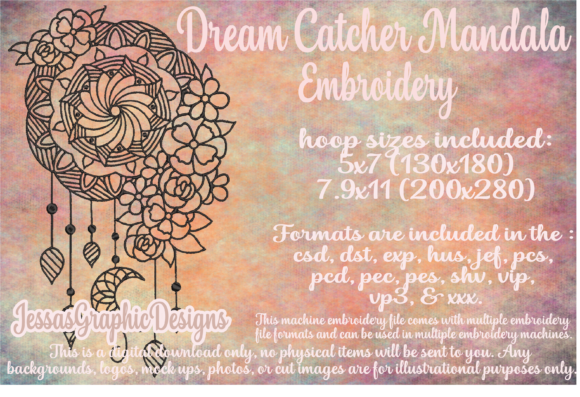
Upon loading the preview of the Dream Catcher Mandala, the immediate impression is one of balanced duality. The circular symmetry typical of a Mandala suggests precision and order, while the organic flow of the dream catcher elements introduces a rustic, bohemian charm. This combination makes the design incredibly versatile. It feels professional enough for a high-end yoga studio yet friendly enough for a local bakery or florist.
The description notes that the design is "fun and easy to stitch," which often indicates optimized pathing and manageable color changes. However, for a business owner, "easy" must also mean "durable." The aesthetic leans towards the handmade product vibe that is currently dominating Etsy and boutique markets. It does not scream corporate rigidity; instead, it whispers creativity and care. This visual personality is crucial for businesses wanting to project warmth and authenticity through their custom apparel and merchandise.
Real-World Application for Small Business Merch
The true test of any embroidery file is its adaptability across different products. The Dream Catcher Mandala shines in several specific commercial scenarios:
- Embroidered Patches: This is perhaps the strongest use case. The circular nature of the design fits perfectly within a merrowed edge patch. For a creative studio or pet brand, sewing these patches onto denim jackets or canvas bags creates instant, movable branding that customers love to collect.
- Staff Uniforms and Aprons: For a boutique or café, placing this design on the chest pocket of a work shirt or the bib of an apron embroidery project adds a touch of elegance without overwhelming the uniform. It signals attention to detail to the customer.
- Cap Embroidery: While possible, the front panel of a cap requires careful consideration of curvature. If the design scales down well, it serves as a beautiful logo accent, though the density must be checked to prevent puckering on the structured fabric.
- Tote Bag Design: Canvas totes are a staple for market vendors. The Dream Catcher Mandala works exceptionally well here, acting as a central focal point that turns a simple bag into a branded statement piece.
- Event Merch and Gifts: Whether for a workshop giveaway or a customer loyalty gift, this design adds perceived value. It transforms a standard item into a keepsake, enhancing buyer engagement.
Technical Considerations and Production Risks
While the potential is high, a professional reviewer must highlight where caution is needed. The description states the design works great on shirts and dresses, but commercial environments demand more rigorous testing. Here are the critical areas to evaluate before running a production batch:
- Stitch Density and Texture: Mandala designs can sometimes suffer from high stitch density in the center. On textured fabrics like terrycloth or heavy canvas, this can lead to registration issues or fabric distortion. Always test on the actual material you intend to use.
- Small Scale Legibility: If you plan to use this as a tiny sleeve detail or on a small product label, ensure the fine lines of the dream catcher web do not merge together. Intricate outlines can disappear if the design is scaled down too far.
- Thread Color Contrast: The elegance of the design relies heavily on thread colors. On dark uniforms, ensure you have sufficient underlay and contrasting top threads so the details pop. A low-contrast thread choice on navy or black fabric could render the design invisible from a distance.
- Curved Surfaces: As mentioned regarding caps, stitching a large circular design on a curved surface requires a skilled operator and potentially a smaller hoop size to maintain tension. Improper hooping here can cause the circular shape to ovalize.
- Wash Durability: Items like aprons and work shirts undergo frequent washing. Verify that the satin stitches used in the outer rings are secure and that the stabilizer used during production is appropriate for the garment's life cycle.
Impact on Brand Identity and Customer Trust
In the current market, visual consistency is key to building trust. Using a cohesive design like the Dream Catcher Mandala across your design assets—from your website's printable mockup to the actual finished product—creates a recognizable brand language. When a customer sees this intricate, high-quality embroidery on a tote bag, then again on your staff's apron, it reinforces professionalism.
It tells the customer that you invest in quality. A sloppy or poorly digitized logo can cheapen a brand, but a crisp, well-executed mandala suggests that you care about the details. This perception directly influences product value, allowing small businesses to justify premium pricing on their merchandise. It bridges the gap between a simple transaction and an emotional connection, which is the holy grail for handmade brands and Etsy sellers.
Professional Designer Notes for Implementation
Before committing to a large run of commercial embroidery projects with this file, I recommend the following workflow:
- Test in Monochrome: Stitch the design using only black thread on white fabric (and vice versa) first. This reveals the structural integrity of the digitizing without the distraction of color.
- Verify Commercial Licensing: The description mentions it is a high-quality design, but always confirm the license terms. Ensure you have the right to use the file for selling physical goods, not just personal crafting.
- Check File Specifications: Since exact stitch counts and formats were not detailed in the brief description, request this data from the vendor. Know your maximum hoop size requirements to ensure it fits your machine's capabilities.
- Create Client Mockups: Before stitching on final inventory, create a digital or physical mockup for client approval. Compare the Dream Catcher Mandala beside your existing logo to ensure visual harmony.
- Stabilizer Selection: Do not guess on stabilizer. For stretchy fabrics like t-shirts, use a cut-away. For woven items like tote bags, a tear-away may suffice, but test first to prevent puckering.
In conclusion, the Dream Catcher Mandala holds significant promise for small business merchandising. Its blend of geometric precision and organic flow offers a unique aesthetic that can distinguish a brand in a crowded marketplace. However, its success lies in the execution. By respecting the technical limitations of embroidery and testing rigorously on intended fabrics, business owners can leverage this design to create stunning, durable, and profitable branded goods.