First Quarter: A Designer’s Review for Branded Merch
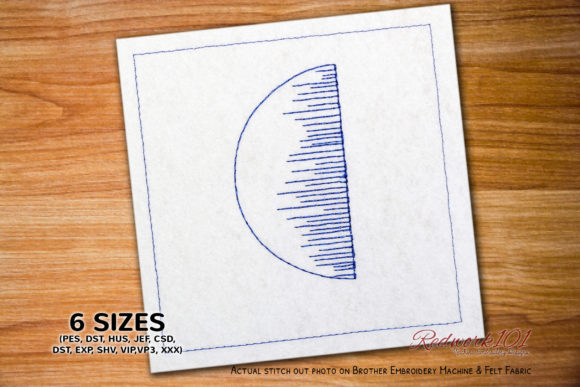
As an embroidery designer who has spent years digitizing and reviewing files for commercial use, I approach every new machine embroidery design with a critical eye. It is not just about whether the art looks pretty on a screen; it is about how it performs on fabric, how it holds up in the wash, and most importantly, how it serves the brand identity of the small business owner purchasing it. Today, I am taking a close look at First Quarter, an Inspirational piece within the Embroidery category that promises versatility for modern makers.
The initial impression of First Quarter is one of understated professionalism. It does not scream for attention with chaotic lines or excessive detail. Instead, it offers a clean, structured aesthetic that feels both modern and classic. For small business owners, this balance is crucial. You want your merchandise to feel premium without looking cluttered. The design’s simplicity suggests it could work equally well for a rustic bakery, a sleek creative studio, or a boutique pet brand. It carries a friendly yet bold vibe, making it an excellent candidate for brands that want to appear approachable but established.
Real-World Application for Small Business Merch
When evaluating a digital embroidery file for commercial purposes, I always ask: where can this actually live on a product? First Quarter shines in its adaptability across various small business merch items. Let us break down some practical applications for this design.
- Embroidered Patches: This is perhaps the strongest use case. The design’s structure allows it to stand alone as a patch. Whether sewn onto denim jackets, canvas totes, or laptop bags, it acts as a distinct badge of quality. The optional Box Stitch mentioned in the description provides a framing element that can define the patch boundary, giving it a finished, professional edge.
- Staff Uniforms and Aprons: For cafes and boutiques, staff apparel is a walking billboard. First Quarter works beautifully as a chest logo accent on work shirts or as a focal point on apron embroidery. Its inspirational nature aligns well with service industries that pride themselves on care and craftsmanship.
- Cap Embroidery: Caps are tricky due to the curved surface and limited space. However, if the design scales down correctly, it can serve as a subtle side-panel detail or a centered front emblem. The key here is ensuring the stitch density is not too high, which could cause puckering on the stiff fabric of a cap.
- Tote Bag Design: Canvas totes are staples for handmade brands. Placing First Quarter centrally on a tote creates a minimalist, high-end look. It transforms a simple bag into a branded asset that customers will actually want to reuse, extending your brand’s visibility beyond the point of sale.
Navigating Technical Constraints and Fabric Choices
While First Quarter is versatile, no design is universal. There are specific scenarios where you must exercise caution. As a designer, I advise testing this file rigorously before committing to a large production run. The description notes that the color of the outer Box is different in most designs unless it is part of the design itself, and you can skip the color directly. This flexibility is a double-edged sword. It allows for customization, but it requires you to be deliberate about your thread colors.
One major consideration is stitch density. If you are embroidering on lightweight fabrics like silk blends or thin cotton tees, a high-density fill can cause the fabric to pucker or tear. Always use the appropriate stabilizer. For knit fabrics, a cut-away stabilizer is often necessary to support the stitches over time. For woven fabrics like twill or denim, a tear-away might suffice, but testing is non-negotiable.
Another critical factor is size. If you attempt to shrink First Quarter too much for a tiny label or a small pocket logo, the details may merge. Fine lines can become indistinguishable blobs of thread. I recommend creating a printable mockup at actual size to check legibility. If the design includes any text or intricate outlines, ensure they remain clear at your intended dimensions. Additionally, consider the hoop size of your machine. While many home machines handle 4x4 or 5x7 hoops, commercial shops may prefer larger formats. Confirm that the file fits your equipment without requiring excessive re-hooping or splitting.
Enhancing Brand Identity and Customer Trust
Why does the choice of design matter so much? Because every stitch contributes to your brand identity. When a customer receives a product with high-quality custom apparel or accessories, it signals attention to detail. First Quarter, with its clean lines and inspirational tone, helps build trust. It suggests that your brand values clarity and quality.
For Etsy sellers and crafters, consistency is key. Using a cohesive set of design assets across your packaging, social media, and physical products creates a recognizable visual language. If First Quarter aligns with your other branding elements, it reinforces recognition. Imagine a local florist using this design on their delivery aprons and then again on the ribbon tied around a bouquet. That repetition builds a mental association for the customer, enhancing buyer engagement and loyalty.
Moreover, in the world of commercial embroidery, perceived value is everything. A well-executed embroidered patch or logo can justify a higher price point for your handmade product. It elevates the item from a simple commodity to a curated experience. Customers are willing to pay more for items that feel substantial and professionally finished.
Practical Designer Notes for Production
Before you load First Quarter into your machine, follow these steps to ensure a successful finished product:
- Test in Black and White First: Remove color variables to check the structural integrity of the design. If it looks good in monochrome, it will likely look good in color.
- Check Scale: Verify that the design works at your smallest intended size. If details disappear, you may need to simplify or enlarge the application area.
- Review Thread Contrast: Since the outer box color is optional or variable, choose thread colors that contrast sufficiently with your fabric. Low contrast can make the design vanish, especially from a distance.
- Inspect Spacing: Ensure there is adequate spacing between elements to prevent thread breaks or nesting issues during high-speed stitching.
- Confirm Hoop Size: Match the design dimensions to your available hoops to avoid unnecessary setup time.
- Test on Real Fabric: Never rely solely on digital simulations. Stitch out a sample on the exact fabric type you plan to use for production.
- Use Proper Stabilizer: Match your stabilizer to the fabric weight and stretch. This is the most common cause of poor embroidery quality.
- Create a Mockup: Use a printable mockup or digital overlay to show clients or stakeholders how the design will look on the final item before stitching.
- Compare Assets: Place First Quarter beside your existing logos and designs to ensure visual consistency across your brand.
- Confirm Licensing: Always verify the commercial license terms associated with the embroidery file. Ensure you have the right to use it for sold goods, especially if producing in bulk.
In conclusion, First Quarter is a strong contender for small business owners looking to add a touch of inspiration and professionalism to their merchandise. It is not just a decorative element; it is a functional tool for brand building. By respecting the technical limitations of embroidery and leveraging the design’s versatility, you can create products that resonate with customers and stand the test of time. Remember, the best embroidery is invisible in its perfection—it simply enhances the garment and the brand without distraction. Treat First Quarter with the care it deserves, and it will serve your business well.