Easter Bunny with Flower Redwork: A Designer’s Review
As an embroidery designer who spends countless hours digitizing and testing patterns for the seasonal market, I approach every new machine embroidery design with a critical eye. It is not just about whether the stitches look good on my screen; it is about how that design will perform in the hands of a small business owner or an Etsy seller preparing for the spring rush. Recently, I reviewed the Easter Bunny with Flower Redwork, and I want to share my professional perspective on how this piece fits into a modern holiday collection.
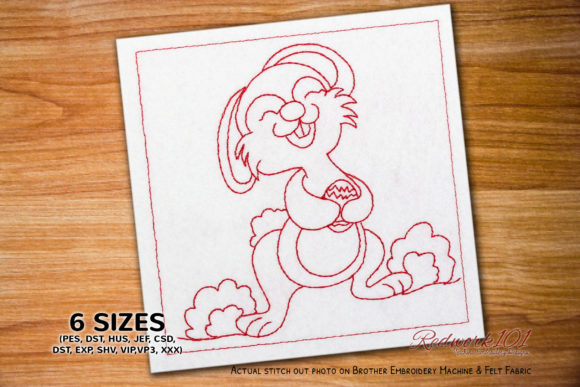
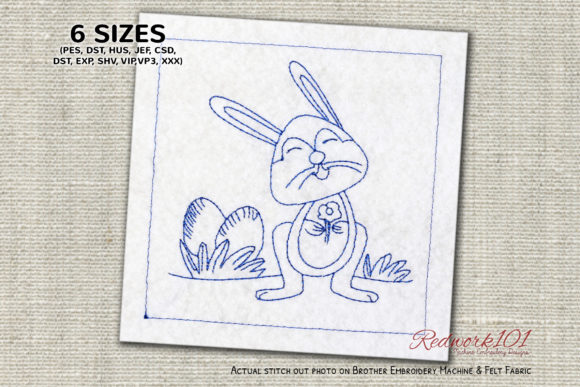
The first impression of this design is one of understated charm. In a market often saturated with overly complex, high-density fills and neon thread colors, redwork offers a refreshing return to classic aesthetics. The term "redwork" traditionally refers to monochromatic embroidery, usually in red, but in contemporary digital embroidery, it has evolved to mean single-color outline or satin stitch designs that rely on line weight and negative space rather than heavy filling. This Easter Bunny with Flower Redwork captures that nostalgic, rustic feel while remaining clean enough for modern applications. The bunny is depicted in a gentle, approachable style, holding or accompanied by a flower, which softens the overall look and adds a touch of organic warmth.
Why Redwork Wins in Seasonal Embroidery
For those creating a seasonal embroidery lineup, speed and versatility are paramount. Redwork designs are typically faster to stitch because they lack dense fill areas. This means less thread breakage, lower production costs, and quicker turnaround times for custom orders. When you are managing a small shop product line during the hectic weeks leading up to Easter, efficiency is your best friend. The Easter Bunny with Flower Redwork leverages this advantage perfectly. It provides high visual impact with minimal machine time, allowing you to produce more units without sacrificing quality.
Furthermore, the simplicity of the design makes it incredibly versatile across different fabric textures. Whether you are working with a crisp cotton kitchen towel, a fluffy fleece sweatshirt, or a sturdy canvas tote, the clean lines of redwork translate well. Unlike complex designs that can get lost in the pile of a towel or pucker on thin fabrics, this design maintains its integrity. It feels festive yet cozy, striking a balance between playful and elegant that appeals to a wide demographic of buyers.
Product Applications for the Holiday Market
When planning your holiday embroidery inventory, consider where this specific design shines. Here are several product categories where the Easter Bunny with Flower Redwork can drive sales:
- Sweatshirt Embroidery: Place the design on the left chest of a pastel hoodie or centered on a crewneck. The minimal stitch count ensures the garment remains soft and comfortable, avoiding the stiff feeling that heavy designs often create.
- Kitchen Towel Embroidery: This is a classic application for redwork. Stitch the bunny on the corner of a waffle-weave or flour sack towel. It makes for an affordable add-on item or a charming handmade gift for hostesses.
- Tote Bag Design: Canvas totes are staples for spring markets. The bold lines of the bunny stand out beautifully against natural canvas, especially if you use a contrasting thread color like deep green, navy, or traditional red.
- Pillow Cover Accents: For home decor, consider stitching this onto a linen pillow cover. It adds a subtle seasonal touch that doesn’t scream "disposable holiday decor," encouraging customers to keep the item out longer into the spring season.
- Embroidered Patch: If you offer patches, this design is ideal. Its closed shapes and clear outlines make it easy to cut and apply. Customers love iron-on patches for customizing denim jackets or backpacks.
Technical Considerations for Best Results
While the design is user-friendly, there are technical nuances to address to ensure a premium finished product. As a designer, I always advise checking the specific details of your digital embroidery file before bulk production. One notable feature mentioned in the product description is the optional Box Stitch. The color of the outer box is often different from the main design, and in many cases, you can skip it entirely if it does not serve a functional purpose for your specific hoop setup. Removing unnecessary jump stitches or frame lines can clean up the back of your work and reduce thread waste.
Stitch density is another critical factor. Since this is a redwork style, the density should be low. However, you must ensure your stabilizer choice matches your fabric. For stretchy garments like sweatshirts, a cut-away stabilizer is essential to prevent distortion over time. For woven fabrics like towels or aprons, a tear-away may suffice, but always test first. If you are stitching on dark fabric, remember that redwork relies on contrast. A traditional red thread might vanish on a maroon shirt. In such cases, consider using white, gold, or a bright pastel thread to maintain visibility and decorative appeal.
Additionally, pay attention to the hoop size. Ensure the design fits comfortably within your chosen hoop with adequate margin for stability. If you are scaling the design up or down, be cautious. Scaling down too much can cause the stitches to merge, losing the delicate details of the bunny’s ears or the flower petals. Always stitch a test sample on the actual fabric you intend to sell to verify clarity.
Marketing and Brand Consistency
From a branding perspective, the Easter Bunny with Flower Redwork supports a cohesive aesthetic. If your brand leans towards minimalist, rustic, or vintage styles, this design aligns perfectly. It allows for consistent thread colors across your entire spring collection. For example, using a single shade of sage green for all your redwork designs creates a recognizable signature look for your Etsy seller profile.
When creating printable mockup graphics for your online store, this design photographs exceptionally well. The clean lines do not get lost in shadow, making it easier for customers to visualize the product. Use these images in social media previews to highlight the craftsmanship. Emphasize that this is a personalized gift option; perhaps offer to add a name in a complementary simple font below the bunny. This increases the perceived value and encourages higher price points.
Final Verdict for Commercial Embroidery
In conclusion, the Easter Bunny with Flower Redwork is a strong contender for any spring product line. It balances emotional appeal with practical production benefits. It evokes a sense of nostalgia and warmth, key drivers in holiday embroidery sales. However, success lies in the execution. Verify your commercial licensing rights before selling finished goods. Test your tension and stabilizer combinations. Choose thread colors that enhance rather than hide the design.
For apparel decorators, handmade gift makers, and small business owners, this design offers a reliable, attractive, and efficient solution for the Easter season. By focusing on quality materials and precise stitching, you can transform this simple digital file into a cherished keepsake for your customers. Remember, in the world of commercial embroidery, consistency and attention to detail are what turn a one-time buyer into a loyal fan. Let this design be the anchor of a thoughtful, well-curated spring collection.