Easter Delight Bunny: A Designer’s Craft Fair Review
As an embroidery designer who has spent countless weekends behind a craft fair table, I have learned that not all designs are created equal when it comes to retail success. Some designs look beautiful on a screen but fail to catch the eye in a busy booth. Others are so complex that they slow down production, eating into profit margins. Today, I am reviewing Easter Delight Bunny, a seasonal machine embroidery design intended for the spring market. My goal is to evaluate this piece not just as art, but as a viable craft fair product for handmade shop owners, Etsy sellers, and boutique makers.
First Impressions and Market Appeal
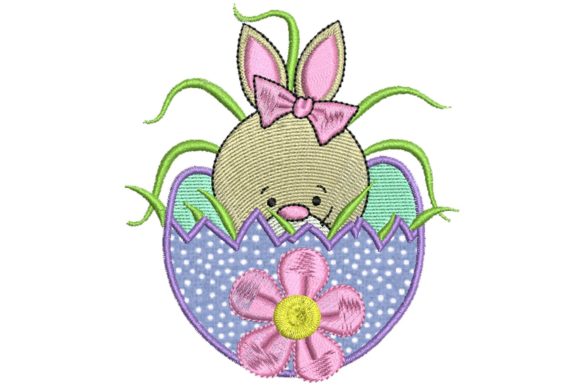
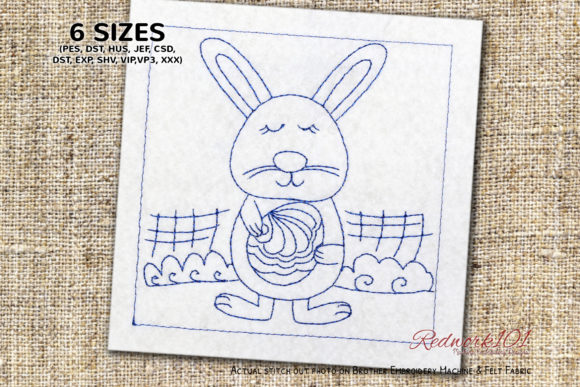
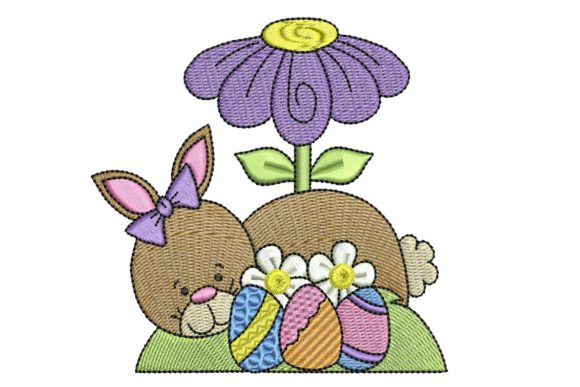
The title Easter Delight Bunny immediately sets a specific tone. It suggests something cheerful, approachable, and festive. Based on the description, which highlights its suitability for baby bibs, children’s T-shirts, and various fabrics, we can infer that this design leans toward the cute and soft side of the spectrum rather than being overly rustic or minimalist. For a spring collection, this is a strategic advantage. Easter shoppers are often looking for gifts that evoke warmth and new beginnings.
When I visualize this design on a display table, I see it acting as a high-attention grabber. In a sea of neutral tones, a well-executed bunny motif brings immediate character. It feels like a design that bridges the gap between traditional holiday decor and modern nursery aesthetics. This versatility is crucial for a small shop product because it allows you to target multiple customer segments, from grandparents buying gifts to young parents outfitting their little ones.
Strategic Product Placement for Maximum Sales
The description notes that this lovely embroidery will look great on baby bibs, cloths, and children's sets. However, to maximize revenue at a craft fair, we need to think beyond the obvious. Here is how I would deploy Easter Delight Bunny across different product lines:
- Tote Bag Design: Placing this motif on a canvas tote creates an instant bestseller. Shoppers love reusable bags with seasonal flair. The design likely serves as a strong focal point here, drawing attention from several feet away.
- Apron Embroidery: A half-apron featuring this bunny is a perfect gift for hosts. It transforms a simple kitchen item into a cherished handmade product.
- Tea Towel Embroidery: While the description mentions "cloths," tea towels are a higher-margin item. Ensure the stitch density is appropriate for thinner linen or cotton so the towel does not pucker.
- Embroidered Patch: If the design holds up at a smaller scale, turning it into an iron-on or sew-on patch allows customers to customize their own jackets or jeans. This is a low-cost, high-volume craft fair product.
- Caps and Hats: Curved surfaces are tricky. If the design is not too wide, it can work on the front panel of a cap, but you must use a sturdy stabilizer to prevent distortion.
For online stores, this design is ideal for creating a printable mockup that showcases the design on various items. High-quality visuals are essential for an Etsy seller to convey the texture and quality of the finished product.
Production Practicality and Batch Efficiency
From a business owner’s perspective, time is money. A design that looks amazing but takes four hours to stitch is rarely profitable for small items. When evaluating Easter Delight Bunny, consider the balance between visual impact and stitch count. Although exact technical specs are not provided in the brief, experienced crafters know to check these details before committing to bulk production.
I recommend running a test stitch-out on scrap fabric immediately. Pay close attention to the thread colors. Does the design rely on subtle shading that might get lost on textured fabrics? Or does it use bold, contrasting threads that pop against white or pastel backgrounds? For batch production, consistency is key. You want a design that reproduces reliably without constant thread breaks or trimming issues.
Furthermore, consider the hoop size required. If the design requires a large hoop, it limits the number of items you can hoop simultaneously. Smaller, efficient designs allow for multi-hooping setups, significantly increasing your output per hour. This efficiency is what separates a hobbyist from a successful commercial embroidery operator.
Navigating Technical Challenges
Every design has its pitfalls. With Easter Delight Bunny, there are specific areas where caution is needed to maintain professional quality:
- Fabric Texture: The description mentions it works on "any fabric," but this is rarely true in practice. Thick, plush towels can swallow small details. If the bunny has fine facial features or small text, they may disappear on terry cloth. Always test on the actual material you intend to sell.
- Dense Stitch Areas: If the design has solid filled areas, ensure the underlay is sufficient to prevent sinking into the fabric. On dark fabrics, you may need a white underlay to make the top threads vibrant, which adds to production time.
- Small Lettering: If the design includes the words "Easter" or similar greetings, verify legibility. Small lettering often merges together after washing if the stitch density is too high or the font is too intricate.
- Stabilizer Selection: Using the wrong stabilizer can ruin a good design. For stretchy T-shirts, a cut-away stabilizer is non-negotiable. For woven tote bags, a tear-away might suffice. Matching the stabilizer to the fabric texture ensures the design lays flat and looks premium.
Enhancing Brand Consistency and Visual Appeal
Incorporating Easter Delight Bunny into your lineup should align with your brand identity. If your shop focuses on elegant, minimalist home decor, this cute bunny might feel out of place unless styled very specifically. However, if your brand celebrates whimsical, family-oriented handmade goods, this design is a perfect fit. It strengthens brand consistency by delivering on the promise of joyful, high-quality design assets.
Visual appeal at a craft fair is about more than just the item; it is about the story. Displaying this embroidery on a variety of products—such as pillow covers, market bags, and giftable handmade items—creates a cohesive theme. It invites buyers to imagine these items in their own homes. A well-lit booth sample featuring this design can stop traffic. It signals that you offer unique, thoughtful items that cannot be found in big-box stores.
Final Verdict for the Seasonal Seller
Easter Delight Bunny appears to be a strong contender for the spring season. Its versatility across baby items, apparel, and home goods makes it a flexible asset for any embroidery business. To succeed, however, you must move beyond simply stitching the design. You must curate the presentation.
Before you list this as a digital embroidery file or start stitching finished goods, confirm the commercial licensing terms. Ensure you have the right to sell physical products made with this design. Check the recommended hoop size and file formats to ensure compatibility with your machine. Create at least one real mockup to photograph for your online listings. Compare how the design looks on different fabric colors to offer your customers variety.
By treating this design with the strategic care it deserves, you can turn a simple bunny motif into a cornerstone of your Easter collection. It is not just about selling embroidery; it is about selling the delight of the season through quality craftsmanship. Whether you are a seasoned Etsy seller or a weekend warrior at the local market, Easter Delight Bunny offers the charm and flexibility needed to engage buyers and boost sales.