Easter Cross in Field: A Designer’s Review
As an embroidery designer who has spent years digitizing files and consulting with small business owners, I approach every new machine embroidery design with a critical eye. It is not enough for a pattern to look pretty on a screen; it must perform under the needle, withstand wear and tear, and elevate the brand it represents. Today, I am reviewing Easter Cross in Field, a design that sits at the intersection of seasonal tradition and commercial utility. For boutique owners, café managers, and handmade creators, understanding how this specific artwork translates into physical products is essential for maximizing return on investment.
First Impressions and Visual Personality
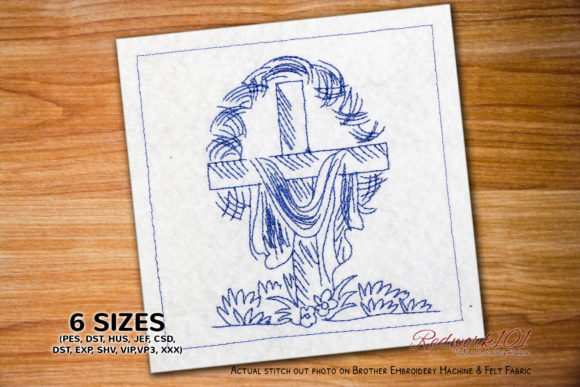
The title Easter Cross in Field immediately evokes a sense of tranquility, renewal, and rustic elegance. Visually, this design leans toward a classic and decorative aesthetic rather than a hyper-modern or abstract one. The imagery suggests a serene landscape, likely featuring a central cross motif surrounded by organic elements such as grass, flowers, or rolling hills. This combination creates a friendly yet premium feel, making it suitable for brands that value warmth, community, and tradition.
One notable feature mentioned in the product description is the optional Box Stitch. The note states that the color of the outer box is often different and can be skipped if it is not part of the core design. From a professional standpoint, this flexibility is a significant advantage. It allows the embroiderer to adapt the design to various fabric backgrounds without being constrained by a rigid border. This adaptability is crucial for maintaining visual consistency across diverse merchandise lines.
Real-World Applications for Small Business Merch
When evaluating Easter Cross in Field for commercial use, we must consider where it adds the most value. This design is not just a holiday decoration; it is a versatile asset for small business merch. Here is how it performs in specific applications:
- Embroidered Patches: This is perhaps the strongest use case. By utilizing the optional box stitch or creating a custom merrowed edge, this design can become a high-quality iron-on or sew-on patch. Patches allow bakeries, florists, and creative studios to create limited-edition items without committing to large runs of custom apparel. Customers love collecting these as tokens of support for local businesses.
- Apron Embroidery: For cafés, bakeries, and florist shops, staff uniforms are walking billboards. Placing this design on the chest pocket or lower corner of a canvas apron adds a touch of professionalism and seasonal relevance. The rustic nature of the "field" element complements natural fabrics like linen and heavy cotton perfectly.
- Tote Bag Design: Reusable tote bags are a staple for boutiques and grocery markets. Embroidering this design on a sturdy canvas tote transforms a simple utility item into a stylish accessory. The contrast between the thread colors and the natural beige of canvas can highlight the details of the cross and the surrounding field elements.
- Cap Embroidery: While possible, cap application requires caution. The curvature of a baseball cap front can distort wide designs. If using Easter Cross in Field on headwear, I recommend scaling it down significantly and focusing on the central cross element, potentially omitting the wider field details to ensure clarity.
Navigating Technical Challenges and Fabric Constraints
Even the most beautiful digital embroidery file can fail if technical constraints are ignored. When working with Easter Cross in Field, there are specific areas where careful attention is required to ensure a high-quality finished product.
Stitch Density and Texture: Designs featuring "fields" or organic backgrounds can sometimes suffer from high stitch density if not digitized correctly. High density on textured fabric, such as terry cloth towels or waffle-knit aprons, can cause puckering. Always test the design on a scrap piece of your actual production fabric. If the background elements are dense, consider using a cut-away stabilizer to provide long-term support, especially for items that will undergo frequent washing.
Color Contrast and Visibility: The product description notes that the outer box color varies. In a business context, you must ensure sufficient contrast between the thread colors and the garment. For example, embroidering light pastel threads on a white shirt may result in poor visibility. Conversely, dark threads on navy uniforms might blend in too much. Create a printable mockup or stitch out a sample on your intended garment color before committing to a full production run.
Size Limitations: Small patch sizes can obscure fine details. If the "field" elements include tiny flowers or intricate grass blades, they may merge into a solid block of thread when scaled down below two inches. Check the hoop size requirements and ensure that the level of detail matches the final dimensions of your product. If the design loses clarity at smaller sizes, consider simplifying the color palette or removing the smallest elements.
Impact on Brand Identity and Customer Trust
Consistency is key to building brand identity. Using a cohesive set of design assets helps customers recognize your business instantly. Easter Cross in Field contributes to a brand image that is trustworthy, grounded, and attentive to detail. For faith-based bookstores, community churches, or family-owned eateries, this design reinforces values of tradition and care.
High-quality embroidery signals professionalism. A sloppy stitch-out with loose threads or misaligned colors can damage customer trust. On the other hand, a crisp, well-executed embroidered patch or logo enhances the perceived value of the item. It turns a simple tote bag or hat into a premium keepsake. This perceived value encourages higher price points and increases buyer engagement, particularly on platforms like Etsy where visual appeal drives clicks.
Practical Notes for the Professional Embroiderer
Before launching this design into your commercial embroidery workflow, follow these practical steps to ensure success:
- Test in Black and White: Before selecting your final thread colors, stitch the design out in black thread on white fabric. This reveals the structural integrity of the digitizing, showing you exactly where the jumps and trims are located. It helps identify any potential registration issues without the distraction of color.
- Verify Licensing: Always confirm the commercial licensing terms associated with the embroidery file. Ensure that your intended use—whether for resale of physical goods or promotional items—is covered. Never assume a standard purchase includes unlimited commercial rights.
- Check Stabilizer Compatibility: Match your stabilizer to your fabric. Use tear-away for stable woven fabrics like denim or canvas, and cut-away for stretchy knits or items that will be washed repeatedly. Proper stabilization prevents distortion and ensures the design remains flat and professional.
- Create Client Mockups: If you are fulfilling orders for clients, provide a digital mockup showing how Easter Cross in Field will look on their specific garment. This manages expectations and reduces the likelihood of revisions after production has begun.
- Inspect the Optional Box: Decide early whether to include the optional box stitch. If your garment has seams or pockets near the embroidery area, the box might help frame the design neatly. If you are aiming for a more organic, floating look, skip the box to let the field elements breathe.
In conclusion, Easter Cross in Field is a versatile and meaningful addition to any embroidery library focused on seasonal or lifestyle branding. By respecting the technical nuances of stitch density, fabric texture, and color contrast, small business owners can leverage this design to create memorable, high-quality merchandise. Whether used on a barista’s apron or a customer’s favorite tote, this design offers a blend of aesthetic charm and commercial viability that stands up to professional scrutiny.