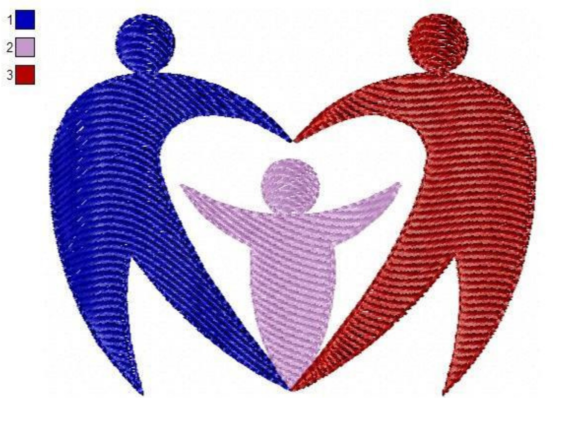
Gotcha Day: A Designer’s Review for Craft Fairs
As an embroidery designer who has spent countless hours digitizing and testing patterns, I approach every new machine embroidery design with a critical eye. It is not just about how it looks on the screen; it is about how it performs in the real world. Recently, I evaluated the Gotcha Day design, and I want to share my professional assessment of its potential for craft fair sellers, Etsy shop owners, and handmade product creators. This is not just a pattern; it is a storytelling tool for families formed through adoption.
First Impressions: Emotional Resonance and Market Fit
The term "Gotcha Day" carries significant emotional weight. It marks the anniversary of the day a child joins their family through adoption. When I first loaded the Gotcha Day file into my software, I looked for clarity and warmth. The design needs to balance celebration with sensitivity. For a craft fair product, immediate recognition is key. Customers walking past a booth have seconds to decide if they stop. This design succeeds because it taps into a specific, passionate niche within the Adoption community.
Visually, the design feels versatile. It does not lean too heavily into one aesthetic, which allows it to work across various styles, from modern minimalism to rustic farmhouse decor. For an Etsy seller or boutique maker, this flexibility is crucial. You are not limited to one type of customer. The design invites connection, making it an excellent choice for family gifts that commemorate a life-changing event.
Product Application: Where This Design Shines
The description suggests using this embroidery file for face masks, hoodies, and family gifts. While these are valid options, I want to expand on where this design truly maximizes its sales potential in a physical booth or online store.
Tote Bags and Market Bags
A tote bag design featuring Gotcha Day is a strong contender for best-seller status. Tote bags offer a large, flat canvas that showcases the embroidery without distortion. When displayed at a craft fair, a beige or navy canvas tote with this design centered draws attention. It is practical, reusable, and serves as a walking advertisement for your brand. Ensure you use a cut-away stabilizer to prevent puckering, especially if the bag will carry heavy items.
Kitchen Linens and Aprons
Apron embroidery and tea towel embroidery are staples of the handmade market. An apron with Gotcha Day stitched near the pocket or chest area makes for a thoughtful gift for adoptive parents who love to cook or host family gatherings. Tea towels are lower-cost entry points for customers. However, be mindful of fabric texture. Terry cloth or waffle-weave towels can distort small details. If the design has fine lines, test it on a smooth linen or cotton towel first to ensure clarity.
Wearable Items: Hoodies and Caps
Hoodies provide a cozy, premium feel that aligns well with the sentimental nature of the occasion. The design works well on the left chest or as a larger back piece. For caps, the curved surface presents a challenge. You must check the hoop size compatibility. If the design is wide, it may not fit standard cap frames without resizing, which could affect legibility. Always digitize or adjust for curvature to avoid gaps in the stitching.
Patches and Small Accessories
An embroidered patch is a fantastic way to utilize this design for customers who already own items they love. Patches allow for batch production, which is essential for maximizing profit at busy fairs. You can stitch multiple patches on a single piece of stabilizer and fabric, then cut and finish them later. This efficiency turns a single design into dozens of small shop product units quickly.
Production and Technical Considerations
Before you commit to producing inventory, you must treat this digital embroidery file with technical rigor. Here are the critical factors I evaluate during the review process.
- Stitch Density and Fabric Choice: Check the stitch density of the design. If it is too dense for lightweight fabrics like jersey knits used in face masks or t-shirts, it will cause puckering. Use a lightweight tear-away or cut-away stabilizer depending on the stretch of the fabric.
- Thread Colors and Contrast: The impact of Gotcha Day relies heavily on thread colors. On dark fabrics, ensure the design uses light, vibrant threads. On white linens, consider using soft pastels or bold primaries depending on the desired mood. Always stitch out a test sample on your actual production fabric.
- Legibility at Different Sizes: If you plan to shrink the design for small pouches or baby onesies, verify that the text remains readable. Tiny lettering can merge together if the resolution is not high enough. If the design loses clarity at smaller sizes, reserve it for larger items like pillows and totes.
- Commercial Licensing: As a professional, I must remind you to confirm the license terms. Not all design assets allow for commercial use. Ensure your purchase of the Gotcha Day machine embroidery design includes the right to sell finished products. This protects your business and respects the designer’s work.
Visual Appeal and Booth Strategy
In a crowded craft fair environment, your booth display must tell a story. Gotcha Day is not just a product; it is a conversation starter. When setting up your table, group these items together to create a themed section. Use a printable mockup or signage that explains the significance of Gotcha Day for those unfamiliar with the term. This education builds empathy and drives sales.
Photography for online listings is equally important. Flat lays work well for tea towels and patches, but lifestyle shots sell the emotion. Photograph a hoodie being worn by a family, or a tote bag held by a parent and child. These images help the Etsy seller connect with the buyer on an emotional level, increasing the perceived value of the finished product.
Final Verdict for the Handmade Entrepreneur
The Gotcha Day design is a robust addition to any commercial embroidery portfolio focused on family and celebration. It offers versatility across multiple product types, from wearable apparel to home decor. Its strength lies in its emotional relevance and adaptability. However, success depends on execution. Test your stabilizer choices, respect the limitations of hoop size, and prioritize high-contrast thread combinations.
For the creative entrepreneur, this design represents more than just stitches on fabric. It is an opportunity to provide meaningful, lasting keepsakes for families. By treating the production process with care and presenting the products with sensitivity, you can create a standout line of handmade product offerings that resonate deeply with your customers. Remember to always stitch a test piece on scrap fabric before running a full batch. This simple step saves time, materials, and reputation, ensuring that every item you sell meets the high standards of your brand.