Oysters and Lemon: A Gourmet Embroidery Review
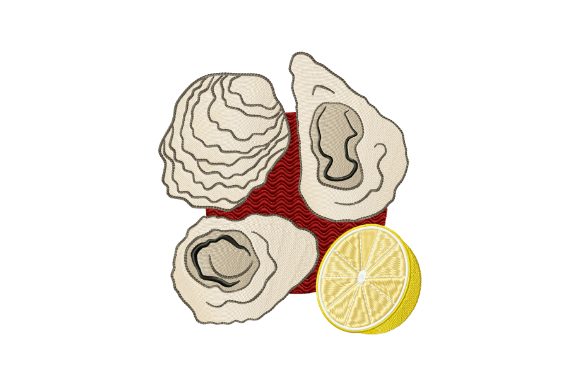
As an embroidery designer who spends countless hours digitizing and stitching for clients, I am always on the lookout for design assets that offer both visual impact and technical reliability. Recently, I came across the Oysters and Lemon machine embroidery design on Creative Fabrica. The premise is simple yet sophisticated: a composition featuring oysters, lemon, and red wine sauce intended to evoke the atmosphere of a high-end kitchen or bistro. Before committing this digital embroidery file to a paid customer order, I wanted to evaluate its potential for real-world application, from boutique apparel to home decor.
First Impressions and Visual Mood
The immediate appeal of Oysters and Lemon lies in its appetizing aesthetic. In the world of Food themed Embroidery, it is easy to fall into the trap of cartoonish or overly simplified graphics. However, this design appears to aim for a more refined look, suitable for decorating the interior of a coffee house or restaurant, as well as personal handmade goods. The inclusion of red wine sauce adds a pop of color that suggests depth and richness, while the lemon provides a necessary bright contrast.
For a designer, the "stitching personality" of a file is just as important as the image itself. Does it rely too heavily on dense fill stitch areas that might become stiff? Are the details achievable with standard thread colors? Upon reviewing the preview images, the balance between the organic shapes of the oysters and the geometric precision required for the lemon slices suggests a thoughtful approach to digitizing. It feels like a design that respects the texture of the thread rather than trying to force the thread to act like ink.
Real-World Application Scenarios
When considering where to place Oysters and Lemon, the versatility is surprisingly broad. While the product description highlights interior decor, my mind immediately went to custom apparel and accessories for foodies and chefs.
- Custom Apparel: Imagine this design centered on the chest of a black chef's coat or embroidered on the sleeve of a linen apron. The gourmet theme makes it perfect for staff uniforms in upscale eateries or for a culinary student's graduation gift.
- Kitchen Textiles: This is perhaps the most natural fit. Stitching this onto a high-quality flour sack towel or a tea cozy creates an instant handmade product that feels curated rather than mass-produced.
- Tote Bag Design: A canvas tote featuring this motif would be an excellent seller at a local farmers' market or craft fair, appealing to those who love fresh seafood and cooking.
- Sweatshirt Embroidery: For a cozy, casual look, placing a smaller version of the design on the left chest of a crewneck sweatshirt creates a trendy, boutique-style garment.
For Etsy sellers and small business owners, the key is presentation. Using this design in a printable mockup can help visualize how the red wine sauce pops against different fabric backgrounds before you even thread your machine. This step is crucial for maintaining brand consistency and ensuring the finished product meets buyer expectations.
Technical Considerations for Execution
Every experienced embroiderer knows that a beautiful screen image does not always guarantee a flawless stitch-out. When working with a complex subject like seafood and sauce, there are specific technical hurdles to anticipate with Oysters and Lemon.
Stitch Density and Fabric Choice: Designs depicting food often require varying stitch densities to mimic texture. The oyster shells might use a combination of satin stitch for the edges and a lighter fill for the interior, while the lemon could involve intricate detailing. If the stitch density is too high, the design may become puckered, especially on stretchy fabrics like jersey knits used for t-shirts. Conversely, if the density is too low on a loose-weave linen towel, the fabric might show through unattractively. It is essential to test on scrap fabric similar to your final material.
Hoop Size and Placement: Before purchasing, you must confirm the hoop size requirements listed on the Creative Fabrica product page. Food compositions can sometimes be wide due to the arrangement of elements (oysters next to lemon and sauce). If you plan to embroider this on a curved cap surface or a small pocket, ensure the design fits within your available hoop without needing excessive re-hooping, which can lead to registration errors.
Thread Color Contrast: The success of this design hinges on color selection. The red wine sauce needs to stand out against the neutral tones of the oyster and the bright yellow of the lemon. On dark fabrics, you may need to adjust the underlay or choose slightly brighter thread shades to prevent the details from getting lost. Always inspect small details after stitching a test run to ensure the transition between colors is clean and that there are no excessive jumps or trims that could compromise durability during washing.
Enhancing Product Value and Brand Trust
Incorporating a high-quality design like Oysters and Lemon into your catalog can significantly affect product value. For commercial embroidery businesses, offering niche themes like gourmet food demonstrates versatility and attention to detail. It builds buyer trust when customers see that you can handle complex, textured subjects beyond standard monograms or logos.
For handmade shop owners, the visual appeal of this design can drive customer engagement. A well-executed embroidery piece tells a story; in this case, it speaks of freshness, flavor, and culinary art. Whether used as a personalized gift for a home cook or as part of a larger collection of kitchen linens, the professional finish of the stitch work reflects directly on your brand. Furthermore, using a licensed Creative Fabrica embroidery file ensures that you are respecting intellectual property rights, which is vital for long-term business integrity.
Final Verdict and Practical Tips
The Oysters and Lemon design holds strong potential for decorators looking to expand their food-themed offerings. Its appetizing composition and likely balanced stitch structure make it a candidate for various projects, from aprons to pillow covers. However, success lies in preparation.
Before starting your production run, adhere to these practical steps:
- Verify File Details: Check the product page for specific file formats compatible with your machine and confirm the license terms regarding commercial use.
- Stabilizer Selection: Choose a stabilizer that matches your fabric weight. Cut-away stabilizer is often best for items that will undergo frequent washing, like kitchen towels or aprons.
- Mockup Testing: Compare how the design looks on light versus dark fabric mockups to decide on your inventory mix.
- Detailed Inspection: After the first stitch-out, pull gently on the satin columns and fill areas to ensure they are secure and that the tiny details of the lemon and sauce have not merged.
By approaching Oysters and Lemon with a critical eye and a solid technical plan, you can transform a digital asset into a tangible, high-value item that delights customers and enhances your portfolio.