Reviewing High Heeled Shoe Bluework for Brand Merch
As an embroidery designer who has spent years digitizing logos and testing files for small business owners, I approach every new machine embroidery design with a critical eye. It is not just about whether the image looks pretty on a screen; it is about how that design translates to fabric, how it holds up in the wash, and most importantly, how it serves the brand identity of the client using it. Today, I am reviewing High Heeled Shoe Bluework, a digital asset that sits squarely in the Accessories category but offers significant potential for fashion-forward branding.
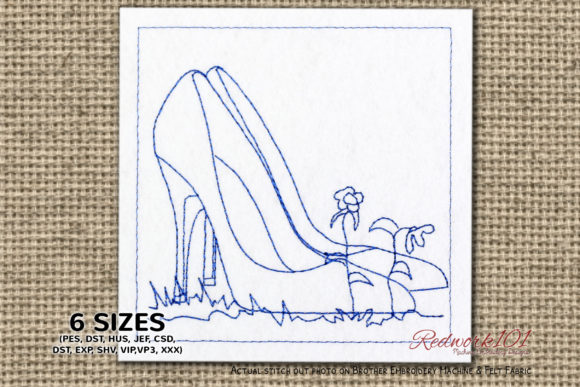
When I first loaded the file to inspect the stitch path, my immediate impression was one of elegance mixed with playful sophistication. The term "Bluework" suggests a monochromatic or limited-palette approach, often reminiscent of traditional blue-and-white ceramics or denim aesthetics. For boutique owners, handmade brands, and Etsy sellers, this visual personality is gold. It feels premium yet accessible, striking a balance between classic decorum and modern flair. However, the description notes that the Box Stitch shown in promotional pictures is optional and that the outer box color varies. This is a crucial detail for any apparel decorator or product designer to note before hitting the start button on their machine.
Real-World Application for Small Business Merch
Let’s move beyond theory and discuss where High Heeled Shoe Bluework actually shines in a commercial setting. If you run a local boutique, a creative studio, or a specialized service like a high-end salon or bridal shop, this design is not just decoration; it is a brand signal. Here is how I envision this embroidery file performing across various merchandise types:
- Embroidered Patches: This is perhaps the strongest use case. By treating the shoe icon as a standalone badge, you can create iron-on or sew-on patches for denim jackets, tote bags, or laptop sleeves. The "Bluework" style lends itself beautifully to denim textures, creating a cohesive look without needing complex color matching.
- Staff Uniforms and Aprons: For businesses in the beauty or fashion sector, staff appearance is part of the customer experience. Embroidering this design on the chest pocket of a work shirt or the corner of an apron adds a touch of professionalism. It signals attention to detail, which builds customer trust.
- Cap Embroidery: A subtle placement on the side panel or even the front of a dad hat can turn a standard cap into a desirable fashion accessory. However, because caps have curved surfaces, the density of the stitch must be managed carefully to avoid puckering.
- Tote Bag Design: Canvas totes are a staple for craft fairs and retail giveaways. A large-scale version of this design can serve as the primary graphic, turning a simple bag into a walking advertisement for your brand.
The versatility of this design allows it to function as both a primary logo accent and a secondary decorative element. For handmade product sellers, adding this embroidered detail to packaging accents or limited-edition items can significantly increase the perceived value of the finished product.
Navigating Technical Constraints and Fabric Choices
While the aesthetic appeal is high, we must address the technical realities of production. The product description mentions that the color of the outer box is different in most designs unless it is part of the design itself, and you can skip the color if desired. This flexibility is a double-edged sword. On one hand, it allows for customization; on the other, it requires the operator to make intelligent decisions about thread colors and stitch structure.
One major consideration is stitch density. High-heeled shoe designs often involve fine lines to depict the heel and strap details. If the digitizer has packed too many stitches into these narrow areas, the thread may break, or the fabric may pucker. I always recommend running a test stitch-out on a scrap piece of the actual fabric you intend to use. If you are working with textured fabric, such as terry cloth towels or heavy canvas, the fine details might get lost. In such cases, increasing the satin stitch width or simplifying the underlay can help maintain clarity.
Another critical factor is the hoop size. Ensure that the design fits comfortably within your machine’s hoop without requiring excessive re-hooping, which can lead to misalignment. For small patch sizes, verify that the smallest text or intricate parts of the shoe do not become indistinguishable blobs of thread. If the design includes tiny lettering or overly detailed outlines, it may not scale down well for minimalist branding on items like collar tags or small pouches.
Enhancing Brand Identity and Customer Engagement
Why does this specific design matter for your bottom line? In the world of commercial embroidery, consistency is key to building brand recognition. High Heeled Shoe Bluework offers a distinct visual hook. When customers see this consistent imagery across your social media, your packaging, and your staff uniforms, it reinforces your brand identity. It tells a story of femininity, style, and care.
For Etsy sellers and crafters, offering customized items featuring this design can drive buyer engagement. Imagine offering a "Build Your Own Patch" service where customers choose their thread colors to match their personal style. This interactivity transforms a static digital embroidery file into an experiential product. Furthermore, using this design on customer gifts, such as a small embroidered pouch with a purchase, creates a memorable unboxing experience that encourages repeat business and positive reviews.
Practical Designer Notes for Production
Before you commit to a large production run, here is my checklist for ensuring success with this design:
- Test in Black and White First: Before selecting your final thread colors, stitch the design out in black thread on white fabric. This reveals the true structure of the design, highlighting any gaps in coverage or awkward jumps that color might hide.
- Check Contrast: Since this is a "Bluework" style, ensure your thread color contrasts sufficiently with your fabric. A navy thread on a black shirt will vanish. Use a printable mockup to visualize the contrast before stitching.
- Stabilizer Selection: Choose the right stabilizer for your fabric weight. For stretchy knits, use a cut-away stabilizer to prevent distortion. For woven fabrics like cotton twill, a tear-away may suffice, but test for stability.
- Verify Licensing: Always confirm the commercial licensing terms of the digital embroidery file. Ensure you have the right to use the design on items for sale, especially if you are producing high volumes for corporate clients.
- Compare Design Assets: Place this design alongside your existing logo and other brand assets. Does it complement them? Visual consistency across all touchpoints strengthens your professional image.
In conclusion, High Heeled Shoe Bluework is a versatile and stylish addition to any embroidery designer’s library. It bridges the gap between decorative art and functional branding. By understanding its technical requirements and leveraging its aesthetic strengths, small business owners can create compelling merchandise that resonates with their audience. Whether used for custom apparel, branded patches, or boutique accessories, this design has the potential to elevate your product offerings and strengthen your market presence. Just remember to respect the nuances of the file, test thoroughly, and let the quality of your stitch work speak for your brand.