Easter Bunny Painting Egg Redwork Review
As an embroidery designer who has spent years digitizing and testing files for commercial use, I approach every new machine embroidery design with a critical eye. It is not just about whether the image looks cute on a screen; it is about how that design performs under the needle, how it holds up after washing, and most importantly, how it serves the brand identity of the small business owner purchasing it. Today, I am reviewing the Easter Bunny Painting Egg Redwork, a seasonal asset that holds significant potential for spring-themed merchandise.
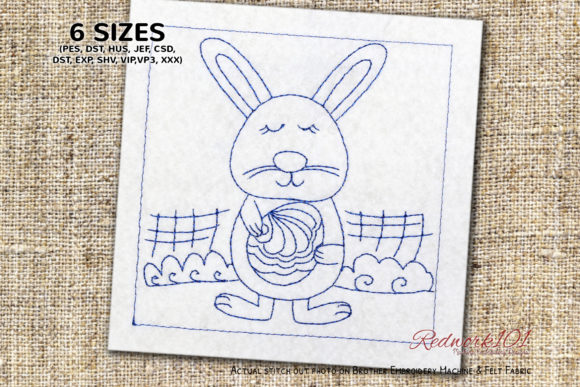
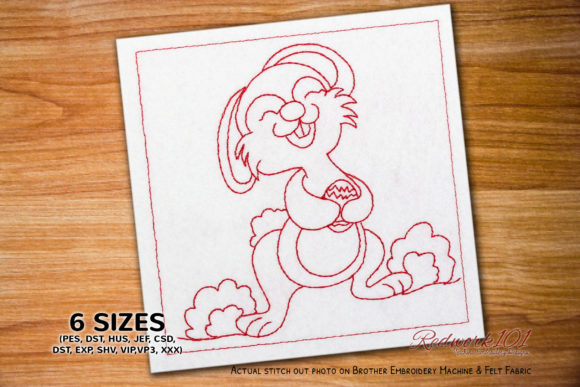
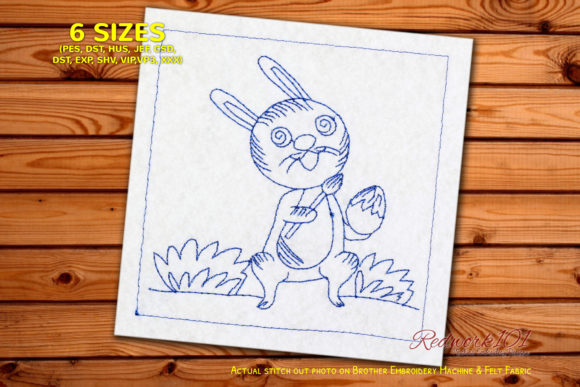
The first impression of this design is one of playful simplicity. The term "Redwork" traditionally refers to monochromatic embroidery, often using red thread on white fabric, but in modern digital contexts, it implies a clean, outline-based aesthetic. This specific design features a charming bunny engaged in the act of painting an egg. For small business owners, particularly those in the boutique, bakery, or handmade gift sectors, this visual language communicates warmth, creativity, and tradition. It feels less like a corporate logo and more like a friendly invitation, which is exactly what seasonal marketing requires.
Assessing Visual Personality and Brand Fit
When evaluating the Easter Bunny Painting Egg Redwork for client projects, I look at its versatility. The outline style is inherently versatile because it lacks heavy fill stitches. This makes the design feel lighter and more elegant than dense, cartoonish alternatives. For a local café launching a spring menu, this design could serve as a subtle chest accent on staff aprons. For an Etsy seller specializing in children’s clothing, it works beautifully as a central motif on a toddler’s tee.
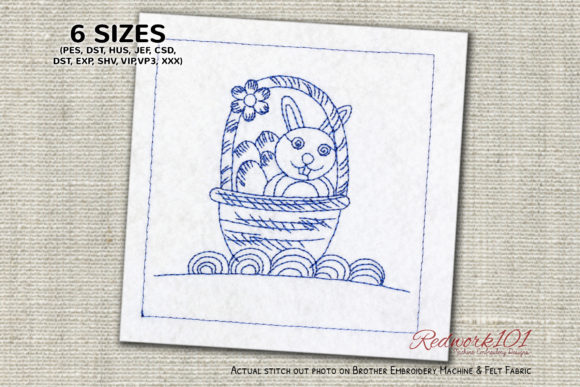
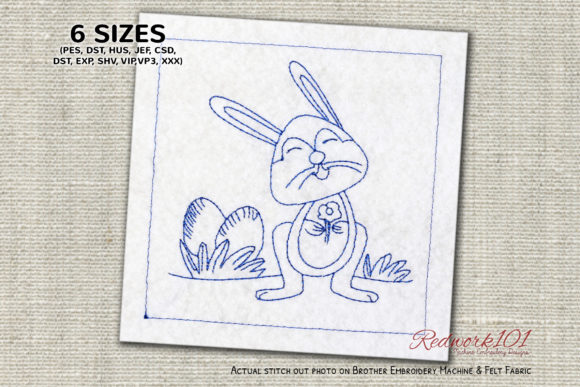
The description notes that "The Box Stitch shown in picture is optional." This is a crucial detail for professional application. In many commercial embroidery projects, unnecessary border elements can clutter the design, especially when scaling down. The ability to skip the outer box color allows the designer to integrate the bunny and egg seamlessly into various fabric colors without worrying about clashing borders. This flexibility is vital for maintaining visual consistency across different product lines, from dark navy work shirts to pastel tote bags.
Real-World Applications for Small Business Merch
Let us discuss where this digital embroidery file truly shines in a commercial setting. The primary strength of a redwork-style design is its adaptability to different surfaces. Here are several high-value applications for this specific artwork:
- Embroidered Patches: Because the design relies on outlines, it translates exceptionally well to iron-on or sew-on patches. You can create a batch of these as limited-edition add-ons for customer orders, increasing the perceived value of your handmade product.
- Apron Embroidery: For bakeries and florists, a clean bunny outline on a linen or canvas apron looks professional yet festive. The lack of heavy saturation means the fabric remains flexible and comfortable for staff wearing them all day.
- Cap Embroidery: Front-panel cap designs require careful consideration of height and width. This design, being relatively compact and linear, fits well on structured caps. However, you must ensure the stitch path follows the curve of the cap to avoid puckering.
- Tote Bag Design: Canvas totes are a staple for spring markets. A larger scale version of this bunny can serve as a striking graphic element. The open spaces in the redwork style allow the natural texture of the canvas to show through, enhancing the rustic, eco-friendly vibe many shoppers prefer.
Furthermore, this design is excellent for creating printable mockup assets. Before you even stitch a single thread, you can place this graphic on digital templates of mugs, shirts, and bags to gauge customer interest on social media. This low-risk testing phase is essential for managing inventory and production schedules.
Technical Considerations and Production Notes
While the aesthetic appeal is strong, the technical execution determines the quality of the finished product. As a designer, I must advise caution regarding stitch density and placement. Redwork designs are generally lower density, which is good for preventing fabric distortion. However, because they are primarily outlines, any misalignment in the hoop will be immediately visible. There is no dense fill to hide minor registration errors.
When using this design on textured fabric, such as terry cloth towels or heavy denim, you must adjust your stabilizer strategy. A cut-away stabilizer is often recommended for garments that will undergo frequent washing, ensuring the design retains its shape. For woven fabrics like cotton tote bags, a tear-away may suffice, but always test first. The description mentions that the color of the outer box is different in most designs unless it is part of the design itself. This implies that color separation is key. You should review the thread colors in your software before loading the file. Ensure there is sufficient contrast between the thread and the fabric. A white bunny on a cream shirt will vanish, whereas a navy bunny on a white shirt will pop.
Another critical factor is the hoop size. Since the exact dimensions are not provided in the brief, you must check the file details before purchase. If the design is too large for a standard 4x4 hoop, you may need to resize it, which can affect stitch integrity. Conversely, if it is too small, it may lack impact on a large tote bag. Always confirm the native size matches your intended application.
Enhancing Brand Identity and Customer Trust
Using high-quality, well-digitized art like the Easter Bunny Painting Egg Redwork directly impacts brand perception. Sloppy embroidery with loose threads or poor alignment signals a lack of attention to detail. In contrast, crisp, clean lines convey professionalism. When customers see consistent, high-quality branding on your custom apparel or packaging accents, their trust in your business grows. They perceive your brand as established and reliable.
This design also aids in recognition. Seasonal motifs create a sense of urgency and relevance. By incorporating this bunny into your spring collection, you signal to your audience that your brand is active, current, and engaged with cultural moments. This drives engagement on social platforms and encourages repeat visits from customers looking for seasonal gifts.
Practical Designer Checklist
Before you run this design on your production machine, follow these steps to ensure success:
- Test in Black and White: Remove all color attributes in your software and view the design in monochrome. This helps you identify any overlapping stitches or unclear outlines that might cause confusion during stitching.
- Check Small Patch Viability: Scale the design down to the smallest size you intend to use. If the details become muddy or the stitches merge, you may need to simplify the design or increase the minimum size limit for that application.
- Review Thread Contrast: Select thread colors that complement your fabric stock. Create a physical swatch card to verify visibility under store lighting.
- Inspect Spacing: Ensure there is adequate space between the bunny and the egg. Tight spacing can lead to thread breaks or fabric pulling.
- Confirm Commercial Licensing: Always verify the license terms associated with the digital embroidery file. Ensure you have the right to use the design on items for sale, not just for personal use.
- Create a Mockup: Use the design in a digital mockup to present to clients or to visualize the final look on your website. This step saves time and reduces material waste.
In conclusion, the Easter Bunny Painting Egg Redwork is a valuable addition to any embroidery designer’s library for spring production. Its clean lines, optional border features, and playful subject matter make it suitable for a wide range of small business merch applications. By paying attention to technical details like stabilizer choice, thread contrast, and hoop sizing, you can transform this simple digital asset into a premium branded product that delights customers and strengthens your market presence. Remember, the difference between a good design and a great product lies in the precision of your execution.