Ice Cream House: A Craft Fair Embroidery Review
As an embroidery designer who has spent countless weekends behind a booth table, I have learned that not every design translates into a bestseller. Some designs are technically impressive but fail to catch the eye of a passing customer. Others are simple, charming, and practically beg to be purchased. When I first loaded the Ice Cream House machine embroidery design onto my hoop, I was looking for that specific spark—the kind that turns a blank tote bag into a must-have craft fair product. This review breaks down how this whimsical piece performs in the real world of handmade sales, focusing on what matters most to Etsy sellers, boutique makers, and creative entrepreneurs.
First Impressions: Whimsy Meets Marketability
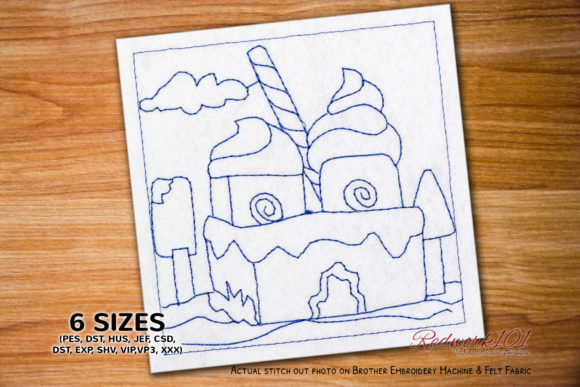
The immediate vibe of Ice Cream House is undeniably cute and playful. It fits comfortably within the Fairy Tales category, evoking a sense of nostalgia and sweet comfort. For a craft fair environment, this is a significant advantage. Customers are often drawn to items that make them smile or remind them of childhood joys. The design does not try to be overly modern or minimal; instead, it leans into a decorative, storybook aesthetic. This makes it an excellent candidate for summer markets, birthday gifts, or any setting where a touch of lightheartedness is appreciated. The visual appeal is strong because it is instantly recognizable. There is no ambiguity here; it is a house made of ice cream, and that clarity is crucial for quick decision-making in a busy marketplace.
Product Versatility and Placement
One of the strongest assets of this embroidery file is its versatility. In my experience, a design that works on only one type of fabric limits your revenue potential. Ice Cream House, however, shines across a variety of small shop products. Here is how it performs on key items:
- Tote Bag Design: This is perhaps the strongest application. Placed centrally on a canvas tote, the design becomes a focal point. It transforms a generic bag into a statement piece perfect for grocery runs or beach days. The playful nature of the image aligns well with the casual utility of a tote.
- Apron Embroidery: For kitchen-focused buyers, this design adds charm to a standard apron. It suggests a love for baking and sweets, making it an ideal gift for home bakers. Ensure the placement is high enough to avoid contact with food prep areas, but low enough to be visible when worn.
- Tea Towel Embroidery: On textured towels, the design adds a premium feel. However, you must be mindful of fabric texture. A plush towel might swallow smaller details, so a smoother waffle weave or flat cotton works best to maintain the clarity of the stitch work.
- Embroidered Patch: If you offer patches, this design is a winner. It allows customers to add a pop of personality to denim jackets or backpacks. Patches are also excellent for using up scrap fabric, reducing waste in your production process.
- Caps and Pillows: While possible, these require more caution. Curved cap surfaces can distort the design if the hoop size is not managed correctly. Similarly, on pillow covers, ensure the design is scaled appropriately so it does not look lost in the center of a large cushion.
Production Practicality for Batch Selling
For those of us running a commercial embroidery business, time is money. The description notes that the Box Stitch shown in the picture is optional. This is a critical detail for production efficiency. If you are batching out fifty tote bags, skipping an optional outer box stitch can save valuable minutes per item. Furthermore, the note that the color of the outer box is a different color in most of the designs unless it is part of the design itself suggests flexibility. You can skip the color change if you want a cleaner, faster run, or include it for a more framed, finished look. This adaptability allows you to tier your products, offering a standard version and a premium version with extra detailing.
When evaluating stitch density, this design appears balanced. It is not so dense that it causes puckering on lightweight fabrics, nor so sparse that it lacks impact. However, always test the design on scrap fabric before committing to your final inventory. Check thread contrast carefully. Since the theme is ice cream, pastel thread colors will likely yield the best results, but ensure they stand out against your chosen fabric background. A white ice cream house on a cream tote will vanish, whereas a bright pink or mint green will pop.
Visual Appeal and Customer Engagement
In a crowded craft fair aisle, visual appeal drives foot traffic. Ice Cream House has a bold, friendly presence that draws the eye. It photographs beautifully for online listings, which is essential for any Etsy seller. When creating your digital embroidery file listings or finished product photos, use natural lighting to highlight the texture of the stitches. A printable mockup can help you visualize how the design sits on different products before you even stitch a single thread. This helps in maintaining brand consistency across your social media and website.
The design also encourages buyer engagement. It is a conversation starter. Customers often ask about the inspiration behind such whimsical pieces, giving you a chance to share your story and connect on a personal level. This emotional connection increases the perceived value of the handmade product, allowing you to price your items confidently.
Careful-Use Notes and Technical Considerations
While Ice Cream House is user-friendly, there are technical nuances to consider. Always confirm the hoop size required for the design. If the design is large, you may need a 5x7 or larger hoop, which limits the types of machines that can produce it efficiently. Additionally, pay attention to stabilizer selection. For stretchy fabrics like t-shirts or thin tea towels, a cut-away stabilizer provides necessary support to prevent distortion over time. For woven fabrics like canvas totes, a tear-away may suffice, but testing is key.
Be cautious with dark fabric. If you plan to stitch this on navy or black, you will need to use a light-colored underlay or a topping to prevent the fabric from showing through the lighter ice cream colors. Also, inspect the design for tiny details. If there are small lettering or intricate swirls, ensure they do not get lost when the design is scaled down for smaller items like pouches. If the design loses clarity at smaller sizes, stick to larger applications like tote bags and aprons.
Final Verdict for the Handmade Seller
Ice Cream House is a solid addition to any embroidery designer’s library, particularly for those targeting the gift and home decor markets. It balances charm with practicality, offering enough detail to look premium while remaining efficient enough for batch production. Before selling finished products, always confirm commercial licensing terms with the provider of the digital embroidery file. Ensure you have the right assets and permissions to use the design in your commercial embroidery ventures. By testing on various fabrics, optimizing your thread colors, and leveraging the optional box stitch for efficiency, you can turn this whimsical design into a reliable revenue stream for your small shop. It is a design that not only looks good but sells well, making it a worthy investment for your next craft fair lineup.